

Energy Vampires: The True Cost of Phantom Energy on Your Wallet and the Environment
Each year in the United States, 44 million tons of CO2 are released into the atmosphere through electronic devices that aren’t being used or are turned off. This equates to approximately 50 large power plants worth of electricity and $19 million. When 68% of all energy produced in the U.S. is being wasted through the processes of production and distribution, these statistics are nothing to ignore. The average household can be expected to spend up to 20% of their monthly energy bill (around $265 annually) on phantom energy through “energy vampires”. This cumulative power could electrify over 11,000,000 homes annually in the U.S.

Rural Energy Efficiency Programs
Access to energy efficiency programs poses greater challenges for rural communities compared to their metropolitan counterparts. The 2018 ACEEE report titled “Reaching Rural Communities with Energy Efficiency Programs” delves into the underlying causes of this issue, shedding light on the barriers faced by rural areas and offering valuable insights into potential solutions. By exploring the report, rural communities can gain a deeper understanding of the factors hindering their access to energy efficiency programs and discover pathways to broaden their availability and participation in these crucial initiatives.

Healthy Spring Cleaning
Now that spring is here, it is the perfect time to refresh our homes and clear away the clutter that has accumulated over the winter months. While many traditional cleaning products seem effective overall, they often contain harsh and toxic chemicals that can harm both our health and the environment.

How Green Jobs Invest in Our Planet
Green jobs are essential to mitigating the effects of and building resilience to climate change — and they’re growing rapidly. In this article, we explore 4 ways that green jobs “invest” in our planet.

Closing the Skills Gap: The Transformative Role of Apprenticeships in Today’s Workforce
As of November 2023, the labor landscape continues to reveal a compelling yet challenging scenario. The Bureau of Labor Statistics underscores a national surplus of 10.7 million available jobs, a staggering contrast to the 6.1 million positions currently filled. This discrepancy, often attributed to the “skills gap,” amplifies the critical need for a skilled workforce aligned with evolving economic trends, particularly in fields related to climate solutions and advancing technologies.

Job Opportunities in Energy: Low-Energy, Low-Impact Buildings
Our built environment is a massive contributor to the climate crisis through its impacts on the atmosphere and broader ecosystems. In terms of energy, buildings consume about 40% of all electricity. This week, we are focusing on low-energy, low-impact building professionals.

Job Opportunities in Energy: HERS Rater
This week, we are focusing on the Home Energy Rating System (HERS) Professional, or HERS Rater. A HERS rater is a weatherization professional and works in the home performance industry. This field evaluates the safety, comfort, durability, and efficiency of a building by considering its structure as a system made up of interacting parts.
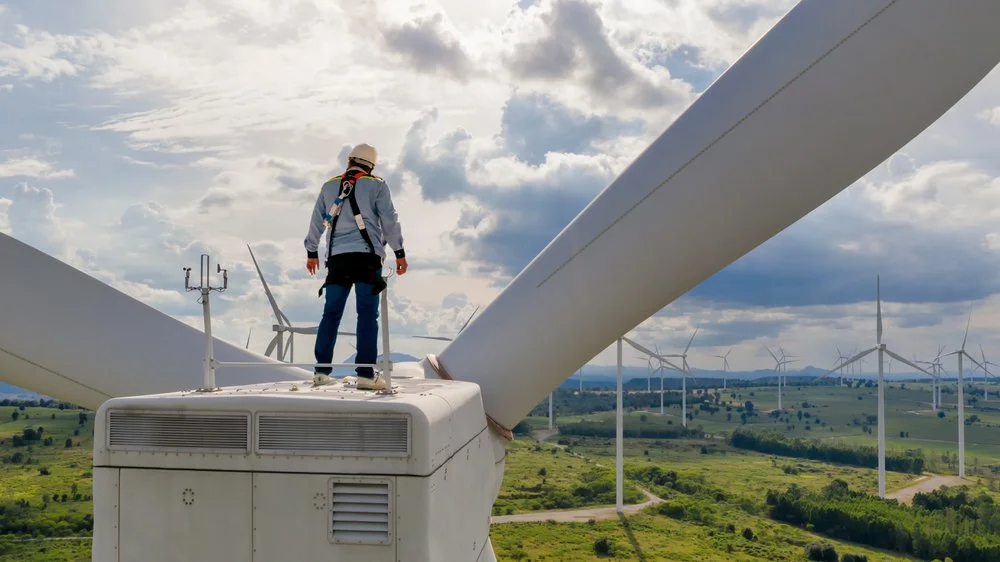
Job Opportunities in Energy: Wind Turbine Technician
This week, we are focusing on another rapidly growing career opportunities in renewable energy — the wind turbine service technician, or wind tech. This position is the fastest growing occupation in the United States, in part because of its particular low barrier to entry compared to the other trades as there are no mandatory licensing requirements.

Job Opportunities in Energy: Solar Installer
In 2021, the solar energy sector employed nearly 334,000 workers. Of these jobs, over half were in the construction industry. 93% of employers in the construction sub-sector of solar reported difficulty hiring employees, many citing a labor shortage — meaning there is ample opportunity for those interested in entering the industry.