
The Best Reef Safe Sunscreens (and Why They Matter).
By Georgia Baillieu, Savvy Travels Co.
Published June 22, 2026
The information provided in this article is for informational purposes only. Earth Forward Group is not affiliated with, endorsed by, or compensated by any of the companies, products, or websites mentioned herein. We do not guarantee the accuracy, suitability, or performance of any referenced websites or products.
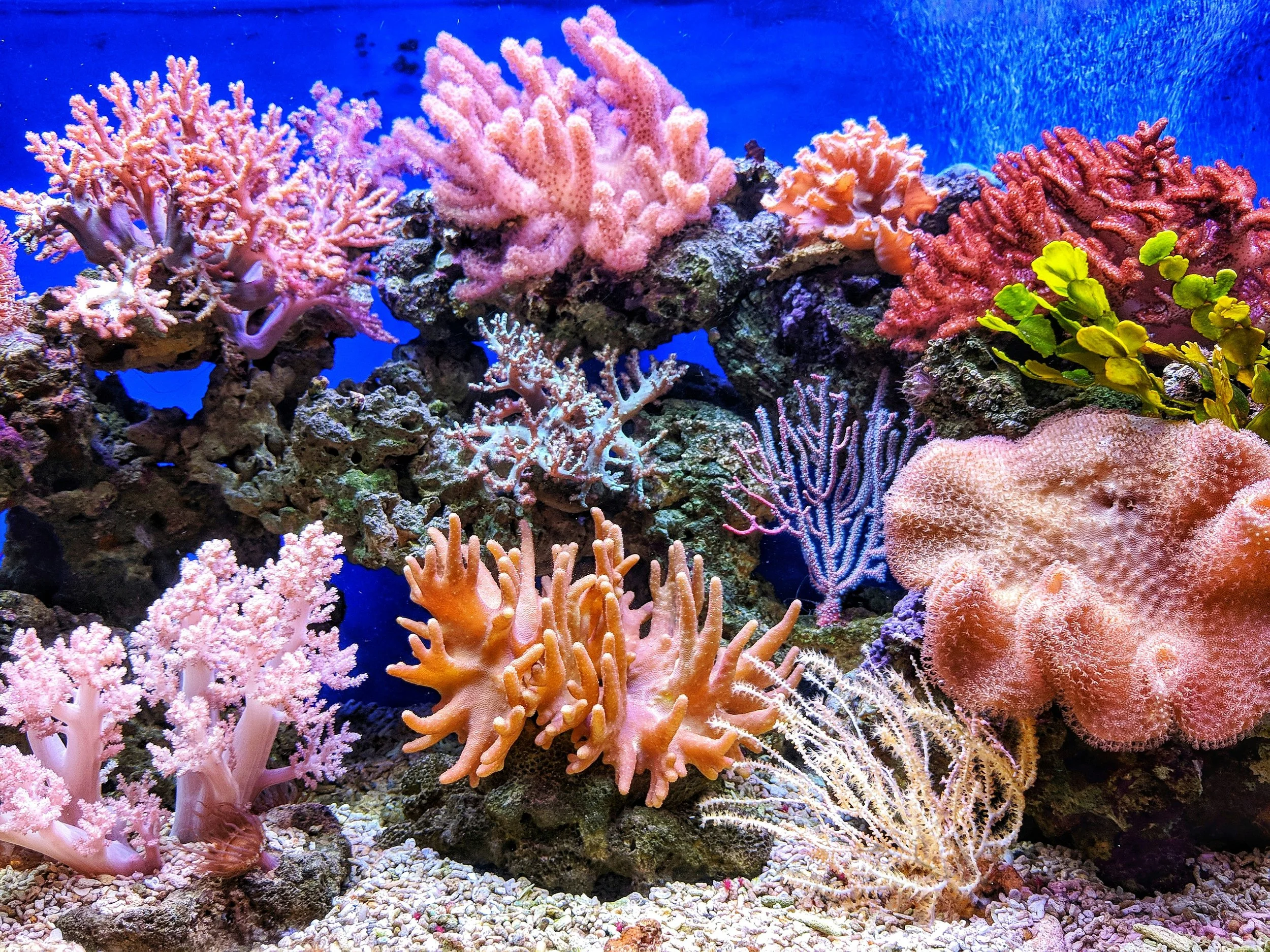
Photo by qui nguyen on Unsplash
Travelers are constantly seeking out turquoise waters, hidden bays and pristine beaches. But what many of us don’t realize, is something as simple (and important) as sunscreen, can have a lasting impact on the coastline we love so much. While we are more familiar with issues like over-fishing, pollution and climate change, the breathtaking and incredibly delicate coral reef ecosystems are also under threat from the chemicals in many store bought sunscreens. As the importance of eco-tourism continues to gain momentum, more travelers are realizing that even the smallest choices in their packing list can have an effect on the health of the destination they visit.
Thousands of tons of sunscreen wash into the ocean annually. Sunscreen that contains chemicals such as oxybenzone and octinoxate can be devastatingly detrimental to the marine environment. The first study indicating that sunscreen causes coral bleaching was published in 2008. Corals were taken from the ocean and placed in seawater tanks where they were exposed to several different sunscreens. As a result, all the corals that were exposed suffered coral bleaching. Further studies found that oxybenzone can cause deformities in both coral larvae and baby corals as well as cause damage to coral DNA. These consequences also reach beyond the coral reefs, jeopardizing other marine life such as fish and dolphins, algae and sea anemones.

Photo by Kampus Production on Pexels
Despite the consequences, safeguarding our skin also remains of the utmost importance. Thankfully, there are many reef safe sunscreen options available. You just need to check for certain ingredients and avoid those harmful chemicals. Making this switch is a small but meaningful part of sustainable living, the kind of everyday swap that can make a real difference when enough people make it.
What to look out for:
When buying sunscreen, make sure you opt for a mineral-based sunscreen where the only active ingredients are zinc oxide or titanium dioxide.
Opt for non-nano ingredients. These use larger particles that sit on top of the skin instead of being absorbed into the bloodstream. These bigger particles are therefore also not ingested by corals or other marine creatures.
The top 2 ingredients to AVOID are oxybenzone and octinoxate
Some of the top brands for reef safe sunscreen are:
An Australian brand created by a marine biologist using non-nano zinc oxide. Sun Butter sunscreens are packaged in plastic-free tins and are made with natural, vegan ingredients for sensitive skin and low-impact living.
Lightweight, non-greasy Australian made broad spectrum sunscreen. All their products are free from oxybenzone and octinoxate. We Are Feel Good Inc. packaging is made from 30% recycled plastic.
Little Urchin sunscreens are Australian-made, mineral-based formulas using non-nano zinc oxide for gentle, broad-spectrum protection. Designed for sensitive skin, they’re vegan, preservative-free, and reef-safe, with added natural ingredients to nourish the skin.
An American company started by an Ocean Rescue Lifeguard. Not only is Raw Elements committed to reef-safe, chemical free sunscreen, they are also committed to reducing waste. They have a focus on low-impact packaging, using options like recyclable and reusable aluminum tins, compostable paperboard sticks, and plant-based tubes. Many products are completely plastic-free, and even when plastic is used, it’s often recycled.
Not only are Thrive’s sunscreen products made from non-nano zinc oxide, but also antioxidant-rich super plants that are grown through regenerative farming. They’re vegan, reef-safe, and designed to care for your skin while supporting healthier ecosystems and more sustainable agriculture.
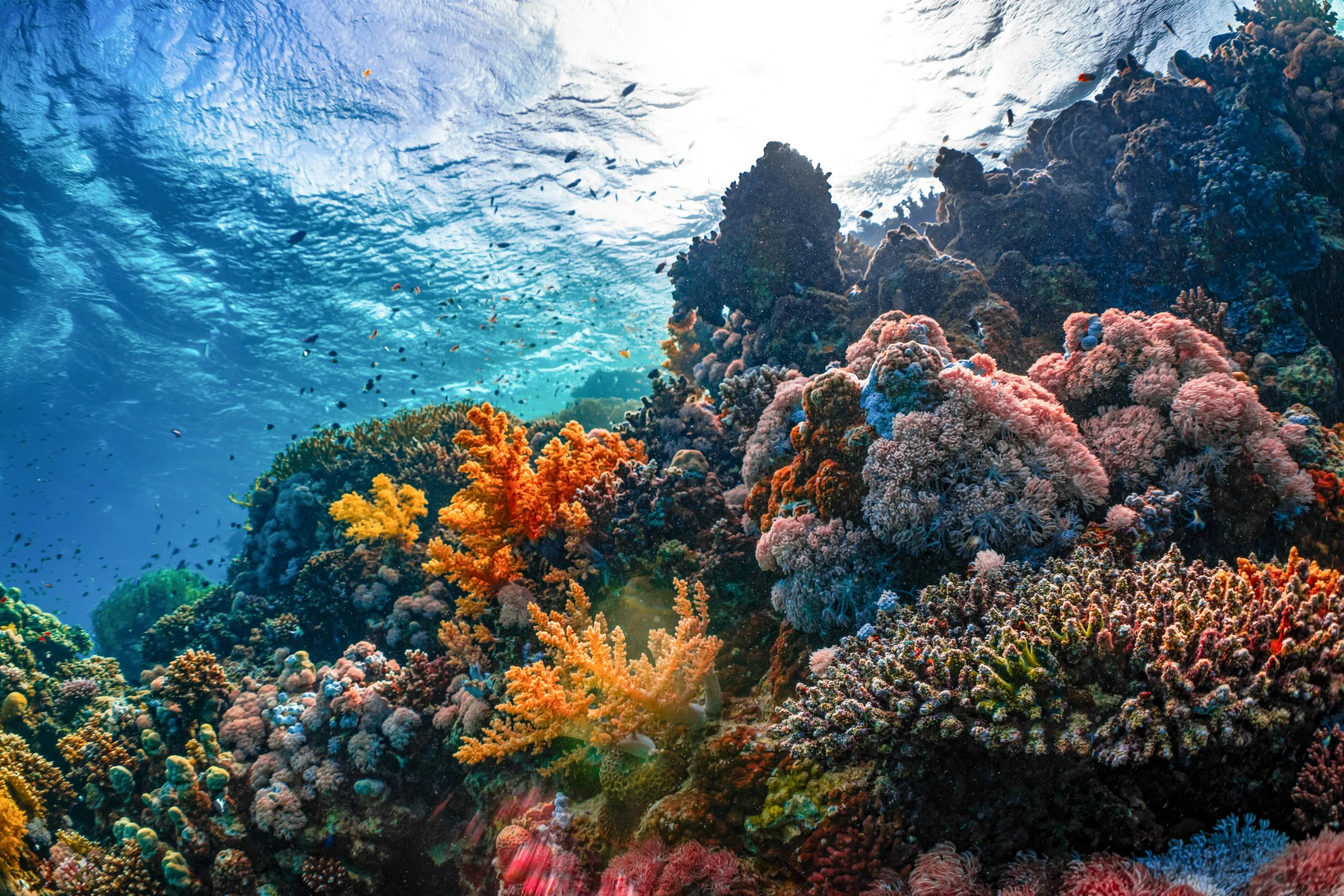
Switching to reef-safe sunscreen is one of the easiest ways to protect the places we love while still fully enjoying them. It also supports the wider goal of community sustainability in the coastal towns and island destinations that depend on healthy reefs for their tourism, fishing, and local economies. When the reef thrives, the communities built around it thrive too. More and more companies are dedicating themselves to creating environmentally friendly sun protection, all you have to do is just take a little extra time to check the ingredients. Because the goal isn’t just to experience beautiful destinations, it’s to ensure they remain just as breathtaking for years to come.