Energy Independence Starts With Skilled Workers
By Georgia Baillieu, Savvy Travels Co. & Ruby Ranoa, Earth Forward Group
Published July 30, 2026
The information provided in this article is for informational purposes only. Earth Forward Group is not affiliated with, endorsed by, or compensated by any of the companies, products, or websites mentioned herein. We do not guarantee the accuracy, suitability, or performance of any referenced websites or products.
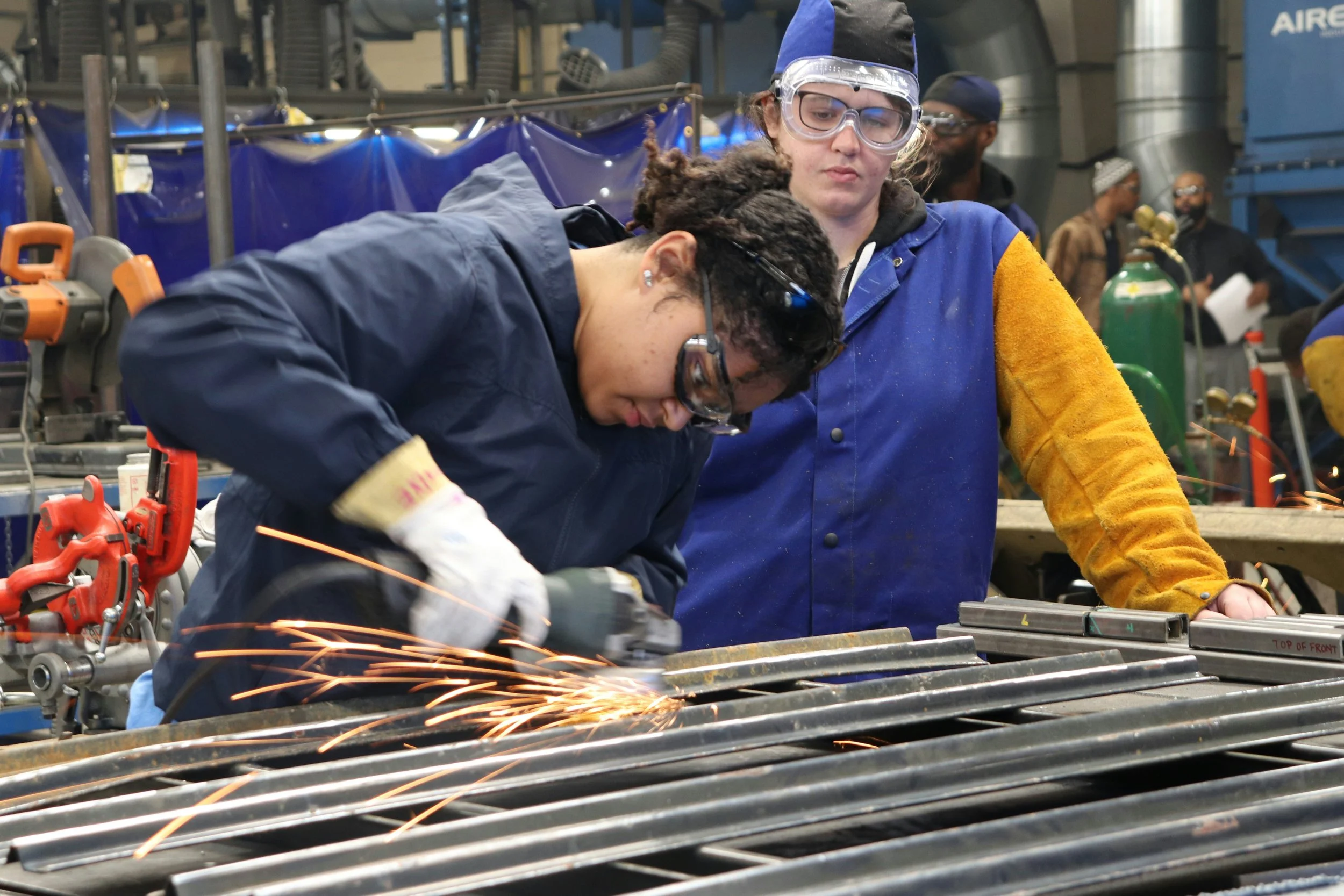
Between rising energy demand from data centers and volatile fossil fuel imports, many of us are concerned about our nation’s energy security, the uninterrupted availability of energy at an affordable price. One of the key factors that strengthens energy security is energy independence, or a country’s ability to meet its energy needs using domestic resources rather than relying on foreign imports.
We often talk about energy independence and security through the lens of policy and infrastructure, but rarely do we ask who is building and maintaining these systems. Achieving energy independence requires investment not only in technology and infrastructure but also in workforce development. Workforce development cannot be an afterthought bolted onto the energy transition; it must be treated as infrastructure in its own right and built, quite literally, by those willing to learn the trade.
Simply put, achieving energy independence means we need to be producing more energy and using the energy we already have more efficiently. A country can build all the solar panels and pipelines it wants, but if all of its buildings are still leaking conditioned air through cracks and gaps, energy independence will be much more difficult to achieve. Closing that gap relies on a skilled workforce trained in energy efficiency, sustainable construction, and clean energy technologies, what we like to call the "green" trades.
The “green” trade industries, including renewable energy and energy efficiency, are among the fastest-growing industries globally, driven by rising energy demand and increased investments in energy security. In the United States, these jobs grew three times faster than overall employment in 2024. Despite this rapid growth, employers face a shortage of qualified workers who can design, build, install, and maintain the energy infrastructure and energy efficiency upgrades needed to strengthen our nation's energy independence. While this workforce gap poses a challenge to our energy security goals, it also creates significant opportunities for entry-level workers, career changers, and experienced tradespeople looking to expand their skills.
If you would like to learn more about job positions within the “green” trades, you can check out our Job Opportunities in Energy blog series and other career exploration resources linked below. Please note that each career path will have unique training, education, and certification requirements, which may differ depending on the state you will be working in. Therefore, it is important to do your own regional research on qualifications for these positions as well.
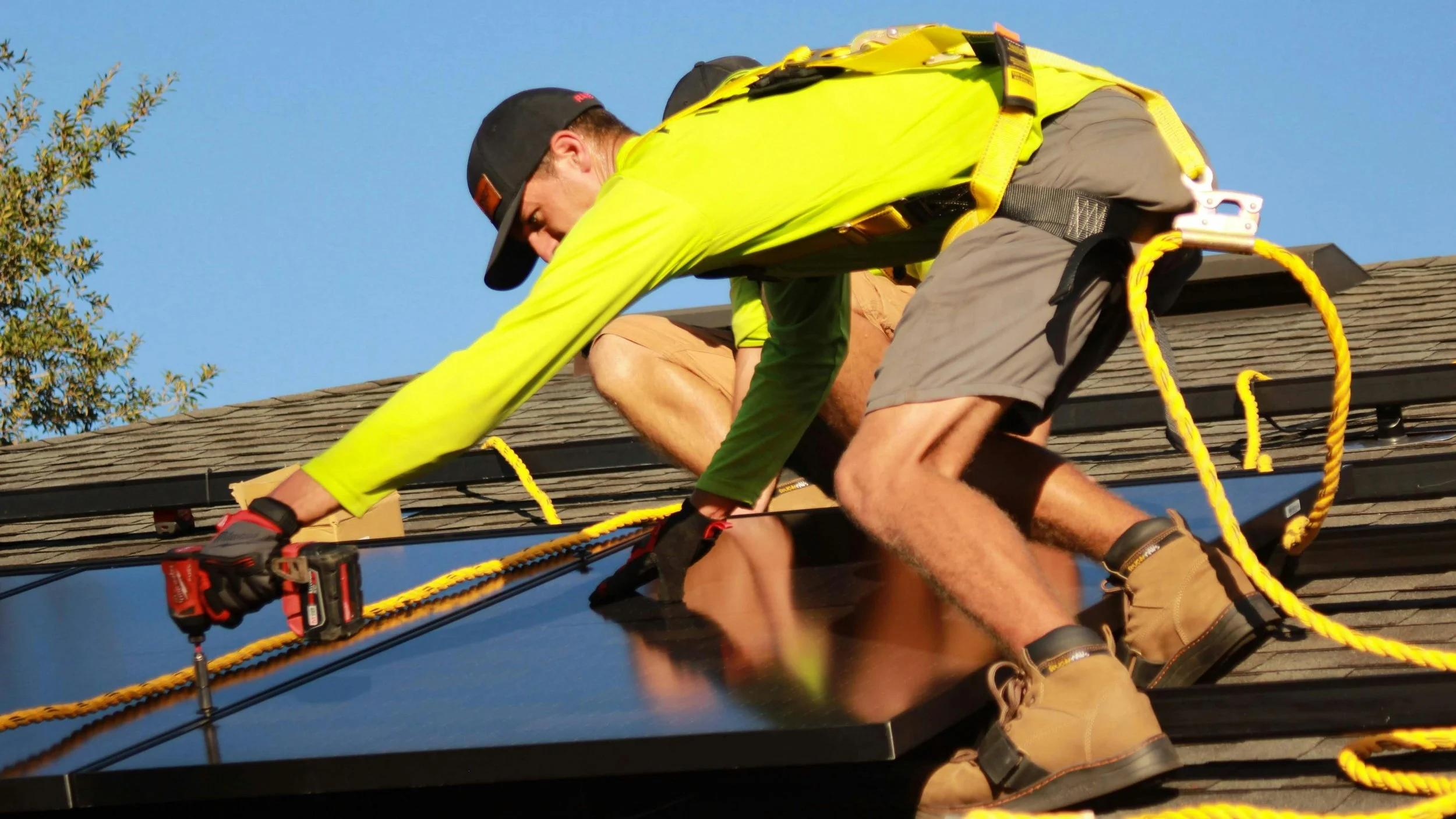
Photo by Raze Solar on Unsplash
Many traditional trades were developed before today's clean energy technologies and energy efficiency demands became widespread, so existing training programs don't always cover the skills employers now need. For example, traditional electrical apprenticeships don’t typically cover solar installation, while a standard HVAC program will likely not delve deeply into high-efficiency heat pumps.
Building a clean energy workforce isn't about reinventing the trades, it's about expanding on them. As these new technologies and energy efficient practices become more common, specialized training programs can address these technical skills needed to prepare workers to meet the growing industry and consumer demand. A licensed electrician is valuable, but a licensed electrician who understands solar and battery storage systems is becoming vital.
Simultaneously, building codes and state policies continue to move toward higher standards for energy efficiency and building performance. Workers who develop these specialized skills now will be well positioned to meet the needs of a rapidly evolving industry.
At Earth Forward Group, we believe a clean energy future is built by people—and we're committed to training them. Our live, instructor-led Building Performance Institute (BPI) virtual courses, Building Science Principles and Healthy Housing Principles, provide the foundational knowledge that employers, contractors, and energy efficiency programs increasingly value. For many professionals, earning a BPI credential is an important first step toward a career in the growing "green" trades.
Whether you're exploring a new career in the trades or looking to upskill your team, Earth Forward Group offers training designed to help you succeed. Explore our sustainability courses and BPI certification pathways at earthforwardgroup.com/learn/lp, or contact us at info@earthforwardgroup.com to learn how we can support your workforce development goals.