
From Trash to Treasure: Businesses Reinventing Waste
By Georgia Baillieu, Savvy Travels Co.
Published August 17, 2026
The information provided in this article is for informational purposes only. Earth Forward Group is not affiliated with, endorsed by, or compensated by any of the companies, products, or websites mentioned herein. We do not guarantee the accuracy, suitability, or performance of any referenced websites or products.
For decades, the world’s economy has largely followed the model of take, make, and dispose. Raw materials are extracted, transformed into products, used and then eventually thrown away. The result? Landfills around the globe are overflowing with waste, oceans are polluted with plastic, and valuable resources are lost after just a single use.
Today more and more businesses are challenging that model and instead embracing the concept of a circular economy. A system where materials are reused, repurposed and given a second life. From fashion made from fishing nets to furniture made from discarded materials, innovative businesses are turning one man’s trash into another man’s treasure.
Turning Ocean Plastics Into Fashion
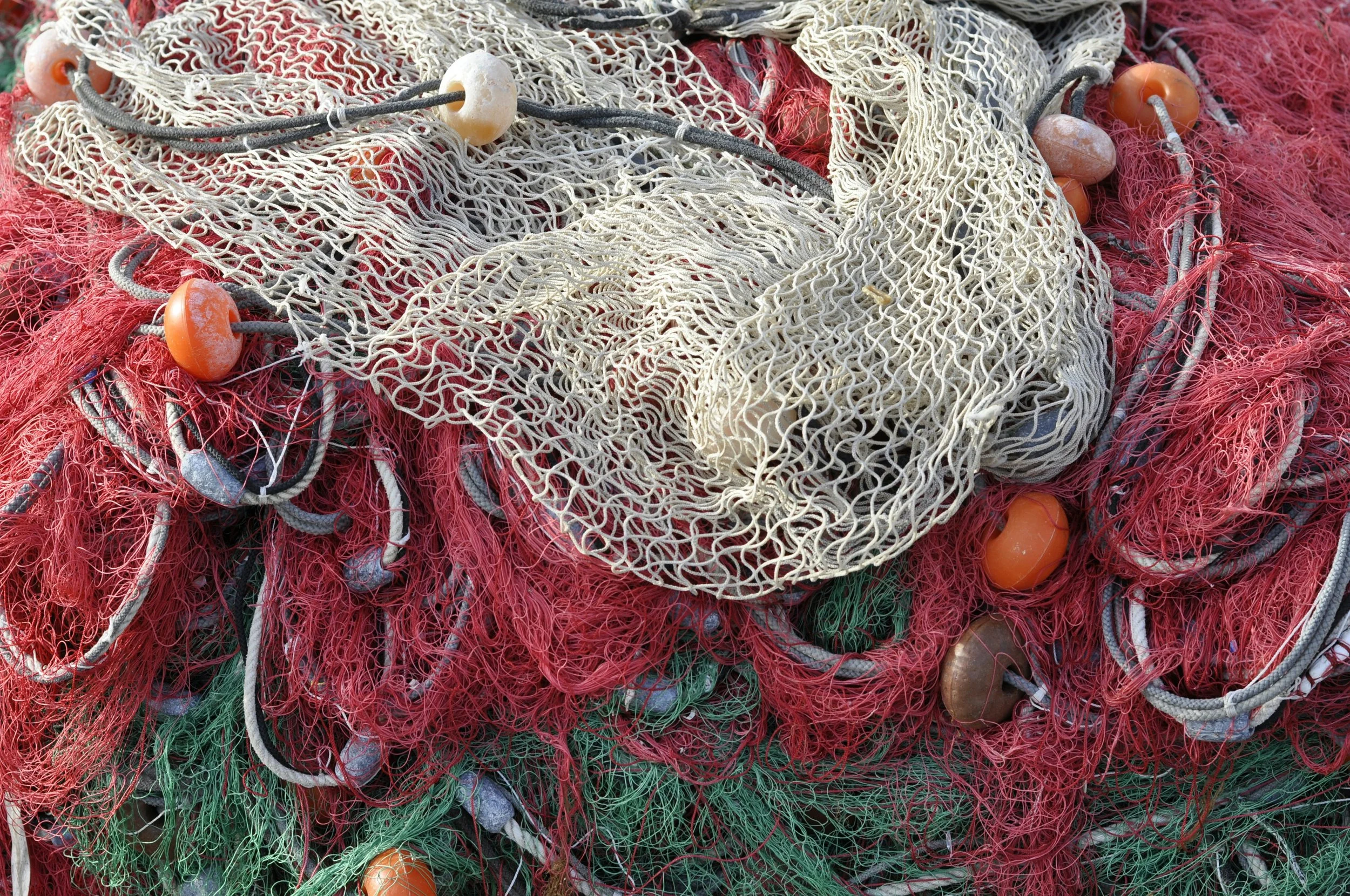
Photo by Kristin Snippe on Unsplash
Every year millions of tons of plastic enter our oceans. This includes disposable beverage bottles, food wrappers and shopping bags as well as fishing nets, ropes and lines. Much of it eventually breaks down into microplastics, harming marine eco-systems and entering the food chain.
Bureo, founded in 2013, is on a mission to end plastic fishing net pollution. With their headquarters in California and operations in Chile, Bureo works directly with fishing communities providing incentivised programs to collect, sort, clean and recycle plastic fishing nets into their NetPlus post-consumer recycled nylon material. Over 17 million pounds of discarded fishing nets have been collected and made into NetPlus since 2013. The company currently works with 21 communities, creating employment for local workers.
The NetPlus material is currently being used by 70 brands including Patagonia, Yeti, Quiksilver and Finisterre to make fabric, hat brims and hard plastic.
Food Waste Becoming New Products

Photo by Josh Olalde on Unsplash
Around one third of all food produced each year goes to waste. To lessen the blow of this alarming figure, companies around the world are finding ways to utilize this food surplus. From compost to cosmetics to animal feed and biogas, food waste is now being used globally to promote a circular economy.
Since 2016, Toast Brewing in the UK has been using excess bread that was destined for the trash to create their beer. The brewery buys surplus bread from bakeries and uses it to replace 25% of the malted barley in all of their beers. By doing this, not only are they reducing food waste but also cutting the amount of land, water, and energy needed to produce the beer. Toast Brewing has currently “saved” over 4 million slices of bread, an amount that if stacked one on top of the other would be 5.6 times higher than Mount Everest.
Furniture Made From Reclaimed Materials
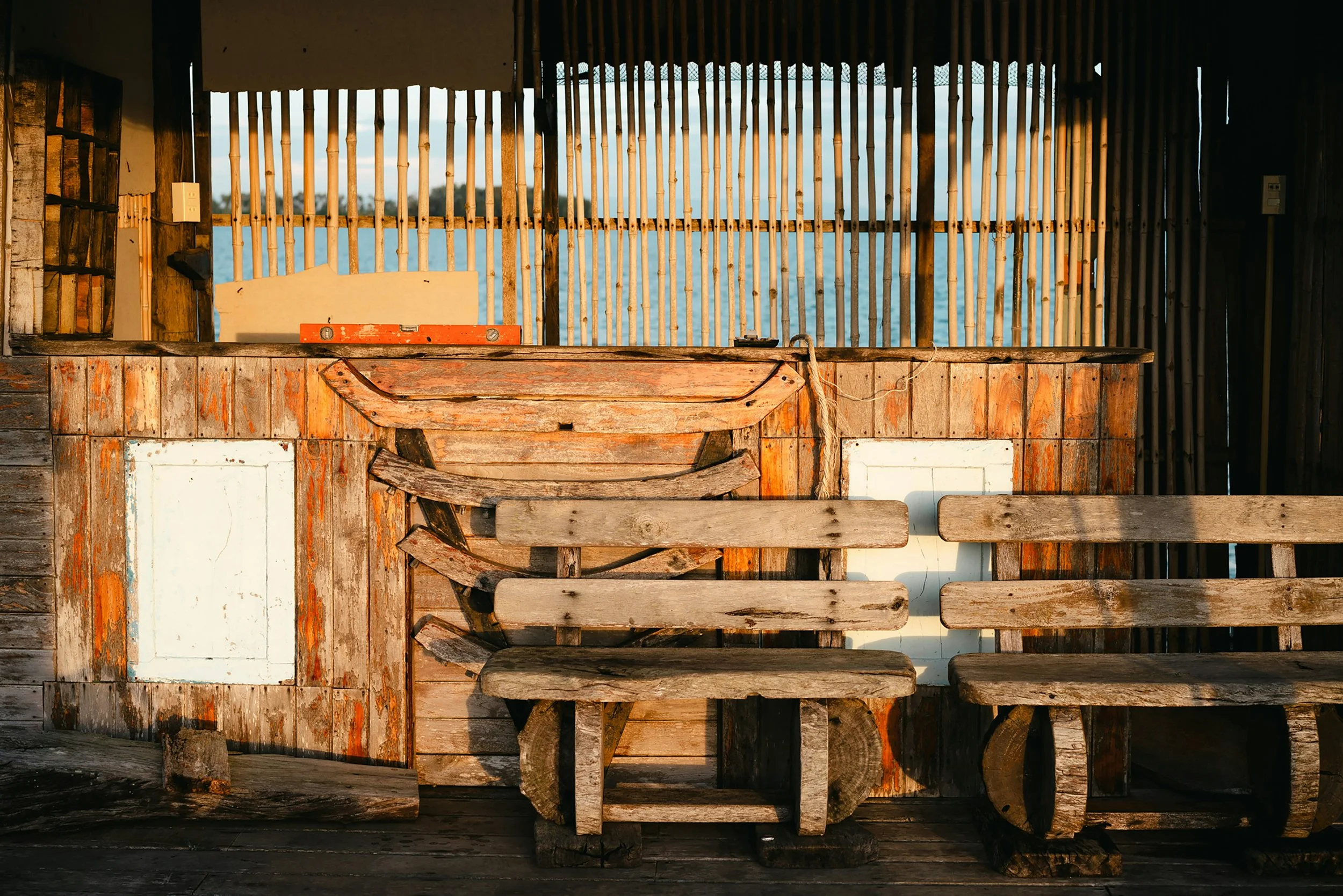
Photo by Markus Winkler on Unsplash
Wood is one of the oldest and most durable materials, yet somehow it’s been classified as disposable. While a well made oak table can last generations, more often than not, people opt for the flat pack, assembled with an allen key. Consequently, instead of being passed down, it is replaced every few years when the finish starts to chip away.
An estimated 12 million tons of furniture goes into landfill in the US each year. Trends change, people move, and the aforementioned cheaper furniture damages easily. To address this waste, a growing number of designers and manufacturers are turning to reclaimed and recycled materials to create furniture that is both functional and environmentally responsible.
Reclaimed materials can come from a wide variety of sources. Timber from old barns and warehouses and railway sleepers can be turned into dining tables, shelving, and floors. As it comes from older structures, this wood is often denser and more durable than new timber. It also has marking, weathering, and imperfections that add character, rendering the “new” furniture unique.
Emeco, established in 1944, was given the task of making chairs for the US Navy that could withstand the demands of warships, salt water, and sea air. Thus, they created the original 1006 Navy chair from scrap aluminium. Fast forward to the 90’s, that same chair was being made for restaurants and cocktail bars. Since the original chair, Emeco has continued to create iconic chairs from recycled materials such as discarded wood, plastic, and even cork. In 2010 they collaborated with Coca Cola and the 111 Navy chair was born. Each chair is made of at least 111 recycled PET bottles. Their products are built to last for decades, reinforcing the idea that sustainability is not only about the materials used but creating a product that will last.
Waste is often seen as unavoidable, an inevitable by-product of modern life. Yet businesses around the globe are proving that much of what is thrown away can still have significant value. By turning waste into new products that people genuinely want to buy, these companies are helping build a future where resources are utilised more efficiently and responsibly.
Waste isn’t as inevitable as it seems and these businesses are proof of that. From ocean-bound fishing nets to surplus bread and furniture destined for landfill. They are all proof that what gets thrown away is often just a raw material waiting for its next use. The shift from disposal to redesign or repurpose is what a true circular economy looks like in practice. It’s a shift that can only happen however if consumers choose it. Each time someone chooses to purchase from a business that builds circularity into their foundation, it is a vote of support for the kind of economy we want. It is a foundation that is also at the core of Earth Forward Group, helping organizations plan and implement projects that treat the earth’s resources as something to manage responsibly, not just consume. So next time you’re choosing a chair, buying a hat or even having a beer, look past the label and ask yourself where the materials actually came from.