
Zero Waste Dining: The Sustainability Strategy Changing the Future of Food
By Georgia Baillieu, Savvy Travels Co.
Published September 16, 2026
The information provided in this article is for informational purposes only. Earth Forward Group and Savvy Travels Co. are not affiliated with, endorsed by, or compensated by any of the companies, products, or websites mentioned herein. We do not guarantee the accuracy, suitability, or performance of any referenced websites or products.
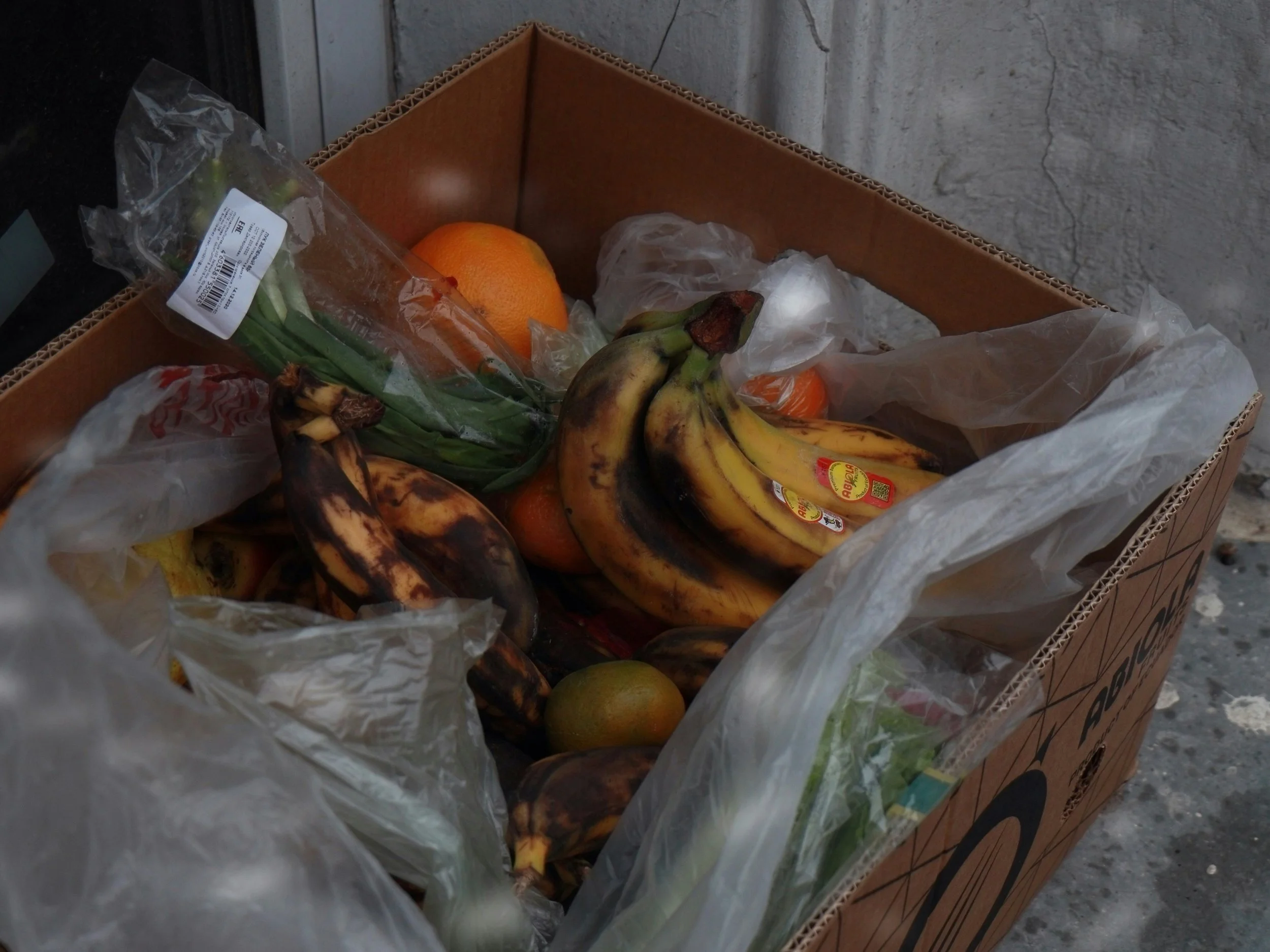
Photo by Ignat Kushnarev on Unsplash
Did you know that at least one third of the world’s food is wasted every year? That’s not even including what is lost before leaving the farm.The restaurant industry is a key player, with an estimated 26% of all food in the food service sector ending up in the trash. However, in recent years, a positive trend has emerged: the zero waste dining movement. A growing number of chefs are rethinking how ingredients can be better utilized, how menus can be redesigned, and how restaurants can be operated in a way that reduces waste.
Zero waste dining is a culinary approach that aims to minimize waste throughout the restaurant experience, everything from sourcing ingredients to serving customers to disposing of food waste. Chefs are coming up with creative ways to utilize every part of an ingredient, including those that are typically thrown away. For example, chefs serve roasting cauliflower leaves as its own dish (a part of the plant traditionally thrown away), using meat bones and vegetable scraps to make stocks, and even turning fruit peels into candied garnishes or preserves.

Photo by sheri silver on Unsplash
Zero waste dining extends beyond the kitchen, to the sourcing and packaging of ingredients and how they are served. A number of waste-conscious restaurants partner directly with suppliers so they can receive produce with little or no packaging. Some restaurants take it one step further by growing some of their ingredients on site.
The world’s first zero waste eatery, Silo, originated in 2011, when artist and zero waste activist Joost Bakker had the idea of "not having a bin”. Chef Douglas McMaster took on this challenge of cooking without a bin, developing a business model aimed at eradicating waste from the commercial food preparation process. In 2014, that dream became a reality and the world’s first zero waste cafe was opened in Brighton, United Kingdom. Described as a closed-loop system, the restaurant either consumed the produce that comes through the doors or turned leftovers into biodegradable compost. Just as initially envisioned, there was no bin.
“We have our own flour mill that turns ancient varieties of wheat into flour the analogue way, opposing industrial bread making processes. We churn our own butter, roll our own oats and support a root to leaf ideology, meaning that if an animal dies or a vegetable is harvested for food we will maximise its entire potential, respectfully.”

While they also brewed their own alcohol from leftover fruit and used coffee grounds to grow mushrooms, Silo’s concept went beyond food waste. Plates used in the restaurant were made from recycled plastic bags and the tables were made from reconstituted food packaging. Silo also had a specialized filtration system that produces electrolyzed alkaline and acidic water which is used to clean the restaurant surfaces, eliminating the need for cleaning products. While Silo closed down at the end of 2025, it was a foundational pioneer in the zero waste dining industry.
Zero Waste Restaurants from Around the World
The zero waste dining concept has grown in popularity over the past decade, with many more waste-conscious chefs making the shift around the world:
Chef Josh Niland has created a menu around his whole fish, no-waste philosophy. He uses ethically sourced seafood and serves dishes that utilize all parts of the fish, from scales to fins.
2. Six Senses Yao Noi (Thailand)
Many of the ingredients used in the Six Senses Yao Noi Resort restaurant are grown onsite, those which can’t be grown are locally sourced. Committed to zero waste, the resort uses coffee grounds in the garden, scraps are composted, and even the mango and avocado seeds are sprouted and used as table decoration. This philosophy is not just present in Six Senses Thailand, but in all their locations worldwide.
While Fyn is not entirely a zero waste restaurant, it is committed to minimizing its food waste. The menu tries to honor the whole vegetable, creating dishes for each part of the vegetable and repurposing the parts which can’t be served individually. Fyn also commits to composting food scraps so they can be used for fertilizer.
The Tanaman is one of six restaurants at Potato Head, a luxury sustainability-minded resort in Indonesia. It boasts a completely plant-based menu that values and transforms every part of a vegetable from root to shoot. As of August 2025, the resort has reached an impressive 97.5% zero waste-to-landfill level.
Ways to Reduce Food Waste at Home
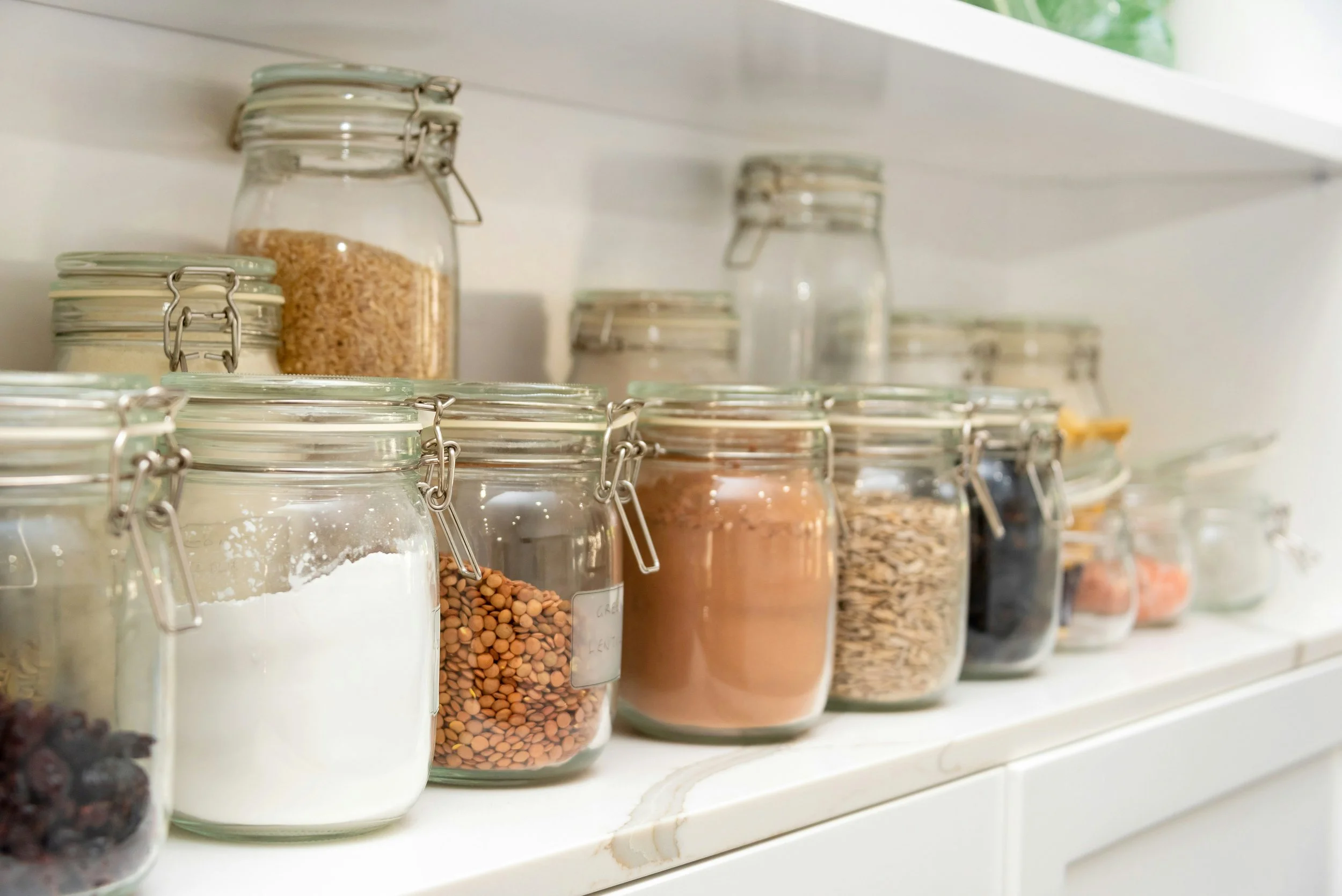
Photo by Steven Ungermann on Unsplash
Reducing food waste is not something that only the commercial food industry can do. Even the home chef can adopt a few new sustainable living practices to lower their food waste. Not only does this benefit our planet, but it can help save you money as well.
1. Freeze more, waste less
Did you overestimate the amount of herbs or chopped vegetables needed for your dinner? Think twice before throwing them away, and instead opt to store them in the freezer for next time. Similarly, you can freeze excess lemon juice or stock in ice-cube trays for another recipe. Just be sure to label everything and to follow the USDA’s freezer food safety guidelines.
2. Cook smaller portions or save leftovers
Over-portioning is one of the biggest contributors to household food waste. If you cook extra, you can divide the dish into reasonably sized portions, one for your plate and the rest for your fridge or freezer. You’ll also thank yourself on a busy day when you can just reach into the freezer and have dinner ready to go!
3. Compost
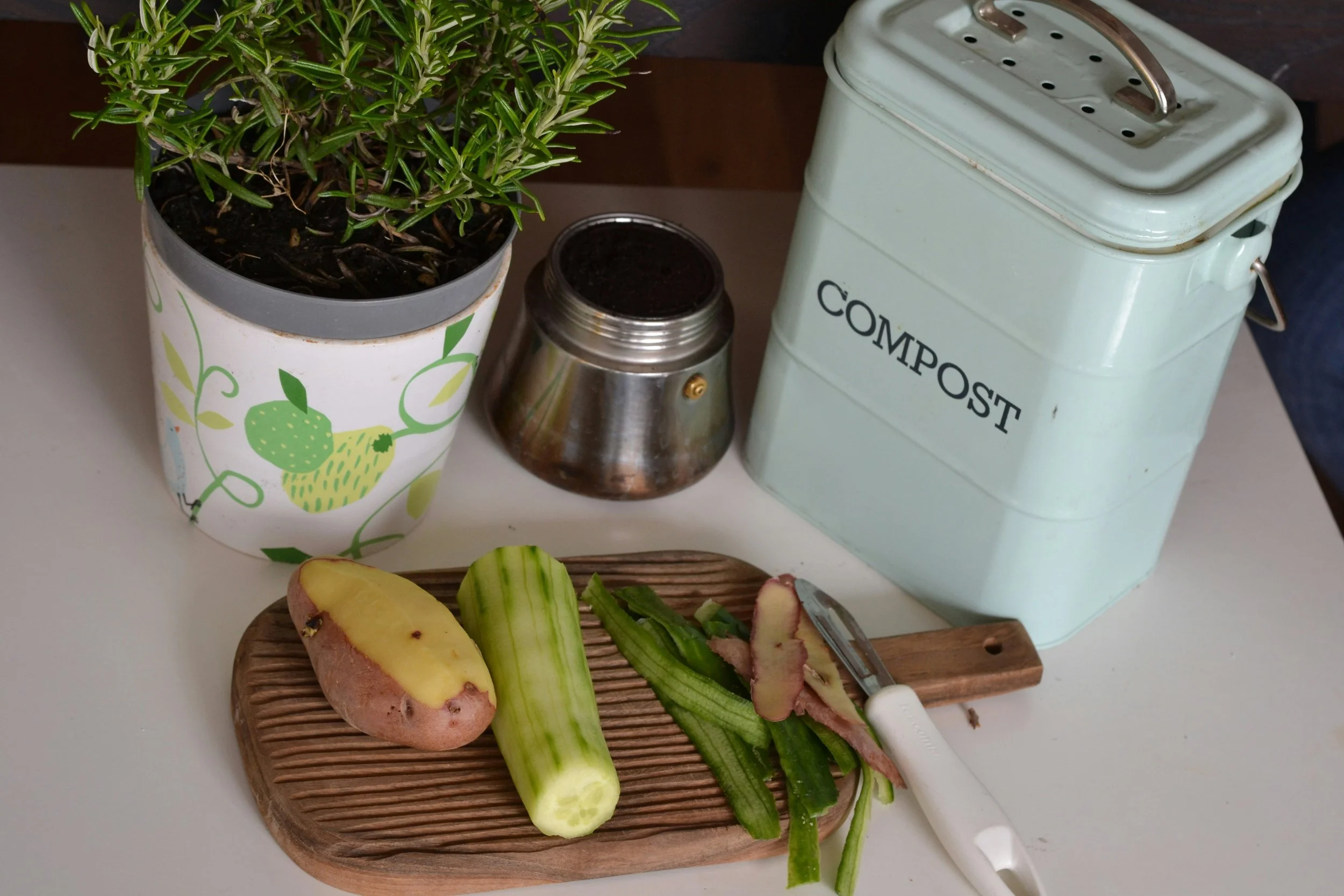
Photo by Lenka Dzurendova on Unsplash
Start a home compost bin. Make the most of leftover produce peelings and food scraps by turning them into nutrient rich fertilizer. When they are sent to a landfill, not only are they wasted, they emit harmful greenhouse gases that contribute to climate change. If you want to learn more about home composting, check out this article from the US EPA.
1. Cook with a whole-food mindset
Rather than just using a portion of an ingredient, why not get creative and find ways to utilize the whole vegetable? You can roast vegetable peels, saute stems, add leaves to dishes, or blend traditionally unused parts into pesto. Just because it’s not part of a fruit or vegetable that you’re used to cooking with, doesn’t mean it can’t be transformed into something delicious with some creativity.
2. Get Creative with Leftovers
Once a week, go through your fridge and see what is looking a little lifeless. With some creativity, you can turn it into something delicious before it goes completely bad. Turn your odds and ends of vegetables into a big pot of soup, pasta sauces, or stir fries.
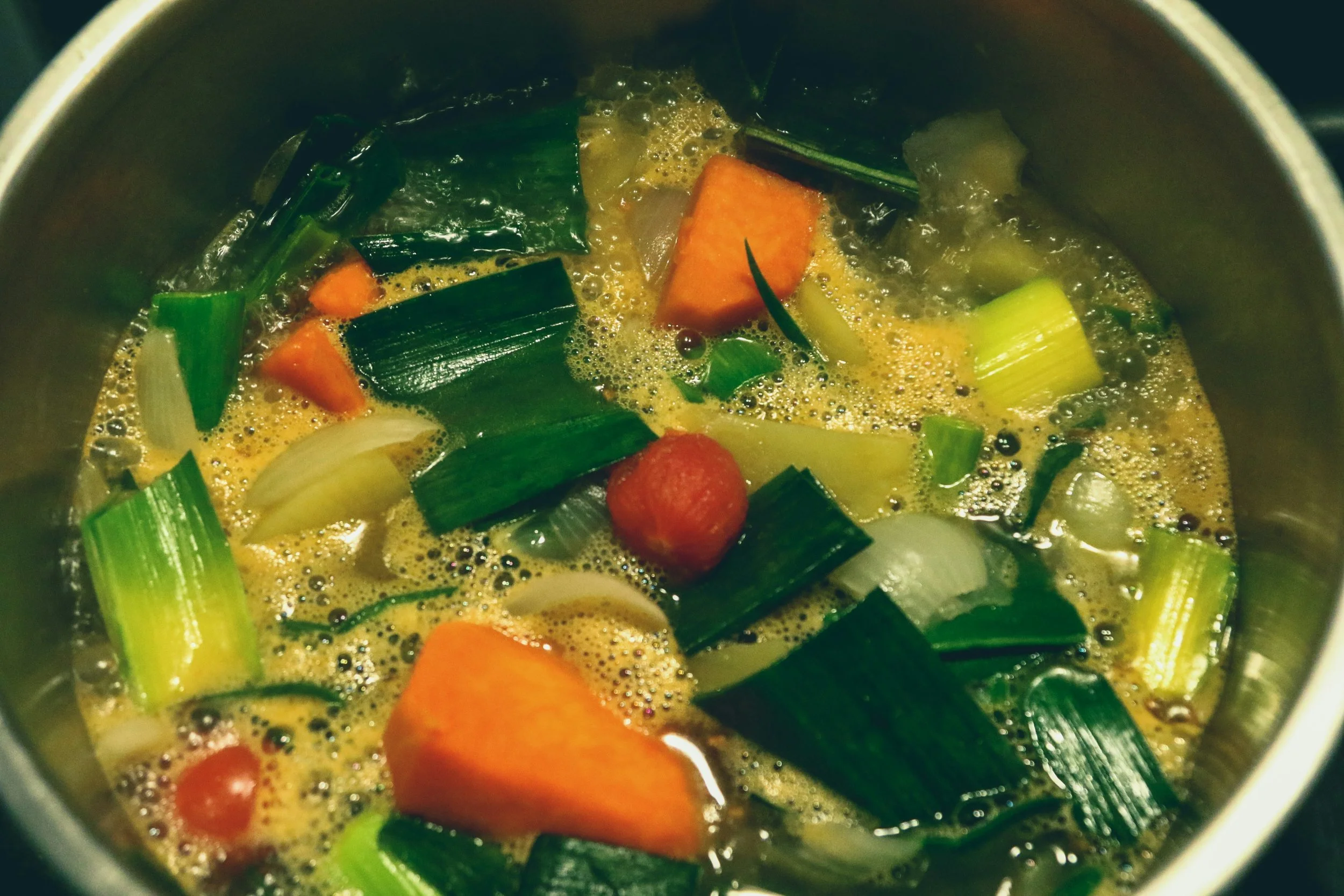
Photo by Jametlene Reskp on Unsplash
The shift towards zero waste dining is an important strategy in our collective fight against climate change. In an ever-growing food industry, it is more important now than ever to find ways to eat more responsibly and reduce our waste creation. So whether you’re a climate-conscious traveller planning your next foodie trip, simply curious about the zero waste dining revolution, or looking to implement waste-reduction methods in your own home, remember a conscious decision to reduce waste makes a difference. At Earth Forward Group, we champion sustainable living in every corner of daily life - from the kitchen to the community. Discover more ways to live, work, and travel sustainably at earthforwardgroup.com.