
Let’s Talk Indoor Air Quality: What’s Really in the Air You Breathe?
By Georgia Baillieu, Savvy Travels Co.
Published October 01, 2026
The information provided in this article is for informational purposes only. Earth Forward Group and Savvy Travels Co. are not affiliated with, endorsed by, or compensated by any of the companies, products, or websites mentioned herein. We do not guarantee the accuracy, suitability, or performance of any referenced websites or products.
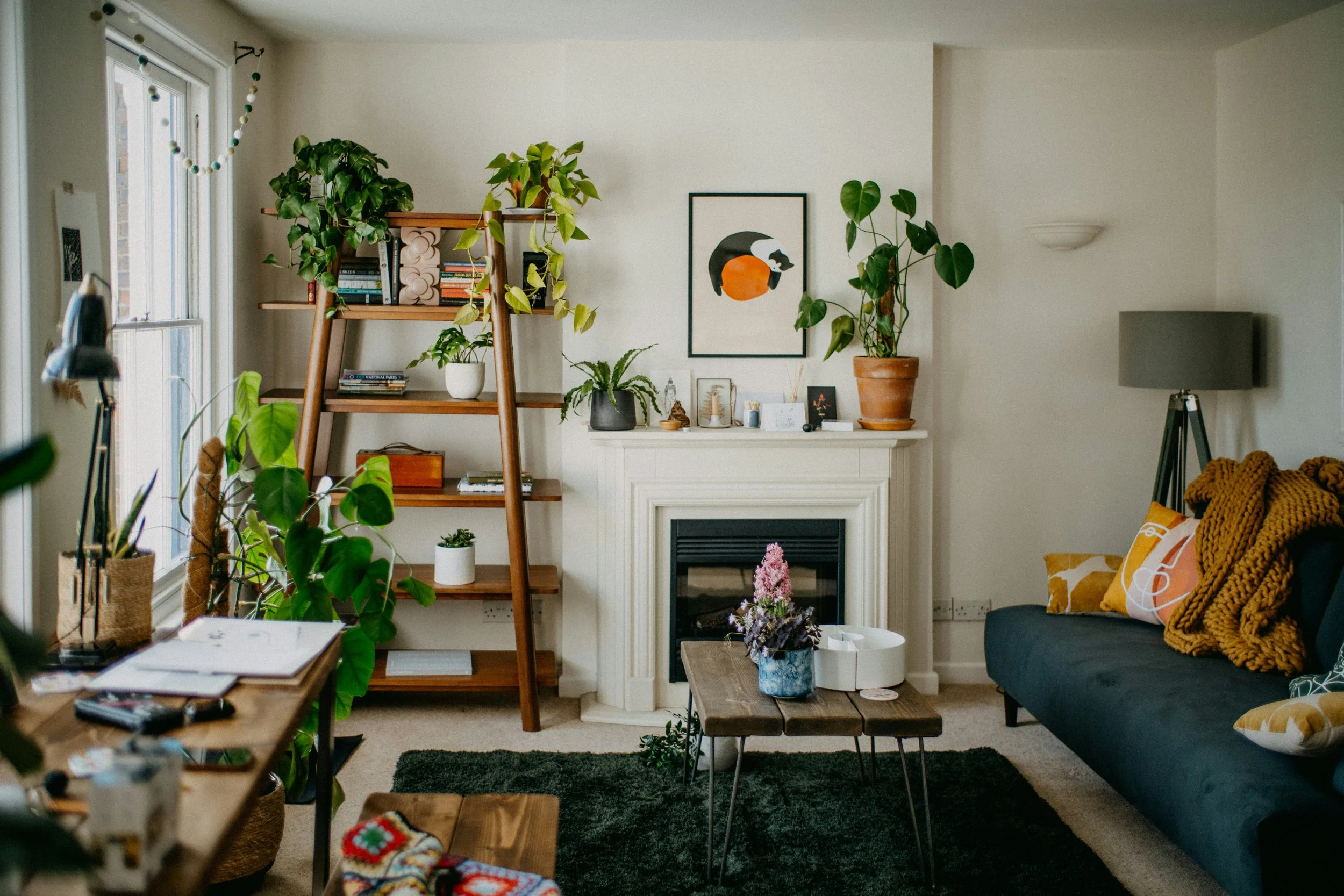
Photo by Annie Spratt on Unsplash
Often people think of air pollution as something that happens outside the home, like traffic, smog, and factory smoke. Before going outside, we might check the weather, the air quality index, and for allergy sufferers, even the pollen count. Yet, rarely do we give a second thought to the air in our own living rooms.
According to Dr. Juanita Mora, a physician at the Chicago Allergy Center and spokesperson for the American Lung Association, most Americans spend 90% of their time indoors. Alarmingly, the air inside our homes can actually be more polluted than the air outside, making indoor air quality one of the most overlooked parts of everyday health and well-being. The good news is that once you understand what’s in the air you breathe, small changes can be made to improve your indoor air quality and ultimately your health.
What is Indoor Air Quality?
Indoor air quality, also known as IAQ, refers to the condition of the air inside buildings and how it affects the health, well-being, and comfort of the people in them. It is determined by what is in the air such as particulate matter, radon, and volatile organic compounds; how much fresh air is coming in; and a building’s temperature and relative humidity. As it is not something we can physically see, it is often disregarded. However, poor indoor air quality in the home can show up in unexpected ways, including headaches, tiredness, irritated eyes, or the worsening of allergies and asthma. Long-term exposure to certain pollutants can even cause more serious respiratory problems and cardiovascular issues.
What is actually in your air?
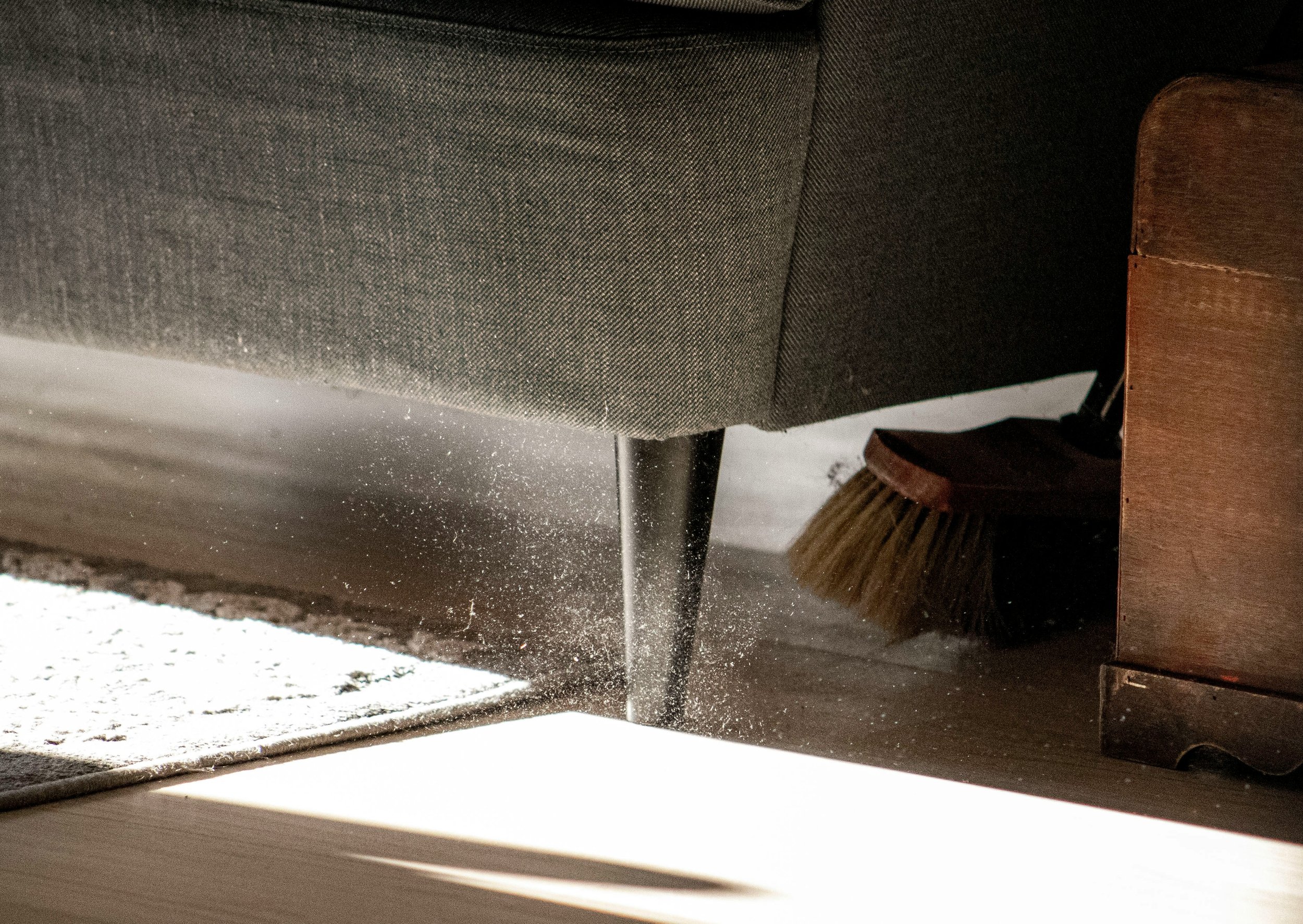
Photo by František Čaník on Unsplash
Most indoor air pollutants are invisible and odorless, which is exactly why they go unnoticed. You should know about these main pollutants affecting indoor air quality:
Particulate Matter: Tiny airborne particles from cooking, candles, incense, fireplaces, dust, and outside air.
Volatile Organic Compounds (VOCs): Harmful gases released by paints, varnishes, new furniture, cleaning products, and air fresheners.
Mold Spores: These spores thrive wherever there is excess moisture.
Dust Mites: Major allergy triggers, especially prevalent in bedding, rugs, and upholstery.
Carbon Monoxide and Nitrogen Dioxide: Combustion gases from gas stoves, heaters, boilers and fireplaces.
Radon: A naturally occurring radioactive gas that can seep up from the ground into buildings.
It matters how much pollutants build up in our homes, which largely depends on the home itself. Modern, well-sealed buildings save energy but can trap pollutants if they lack good ventilation, while excess moisture creates an ideal environment for mold and dust mites to thrive. New paint, flooring, and furniture can also release gases for months after installation, and poorly maintained filters and vents can actually make your air quality worse instead of cleaning the air.
Then there’s how we live in our homes. Everyday things like cooking, heating, cleaning, burning candles or incense, and hang-drying laundry indoors all add particles, gases, and/or moisture to the air. You also have to factor in outdoor pollution from traffic and pollen that makes its way inside through windows and gaps. The result is that your indoor air quality is a mix of building and lifestyle factors, which is good news, because plenty of them are within your control.
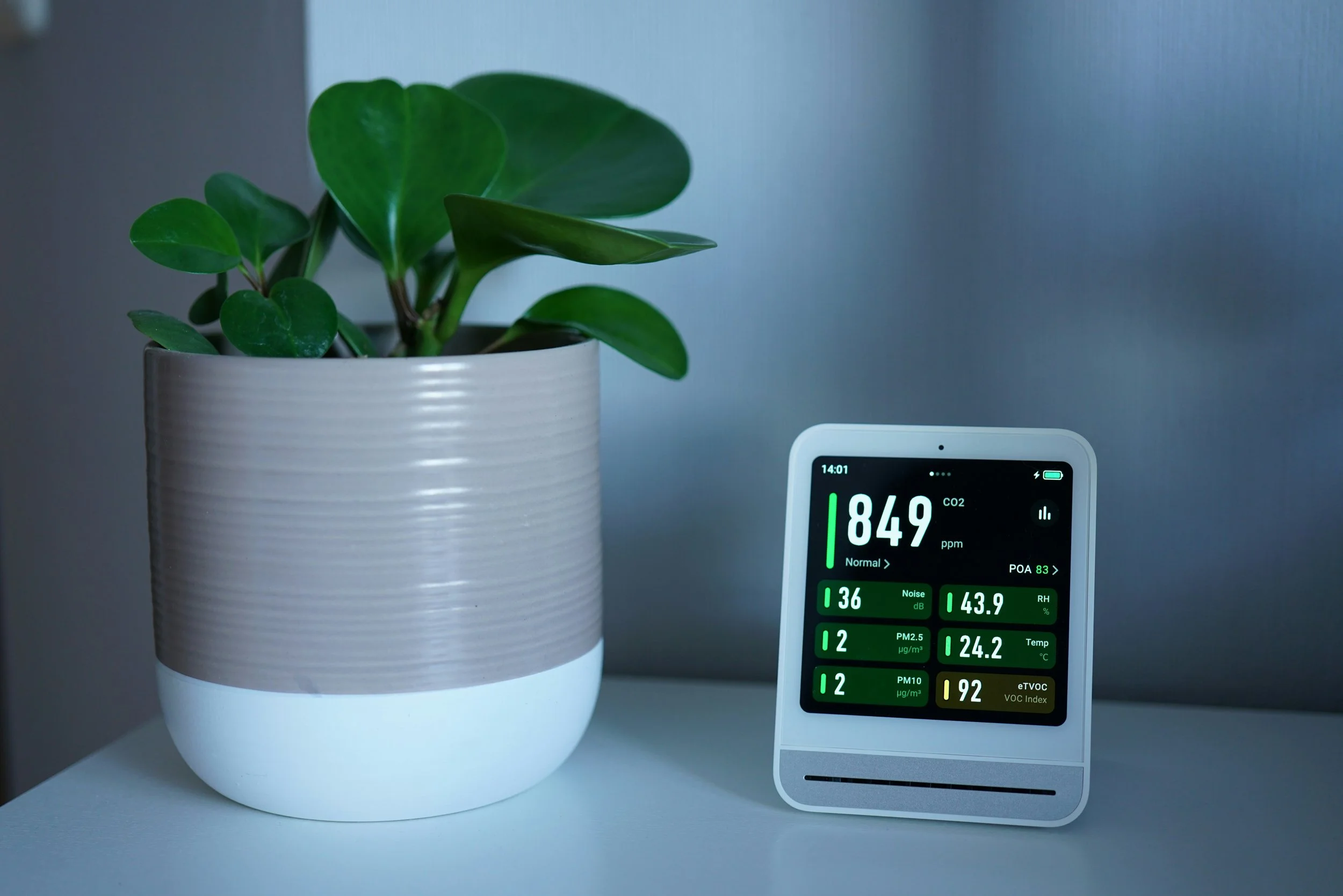
Photo by Tim Witzdam on Unsplash
8 Ways to Improve Your Indoor Air Quality
1. Manually ventilate daily. Open up your windows for 5 to 10 minutes, ideally on opposite sides of the home for cross-flow. Do it when outdoor pollution and pollen are lower, often early morning or late evening.
2. Use exhaust fans while cooking and showering. Cooking is one of the biggest sources of indoor particulates, and showers add a lot of moisture to the air. Run fans during and for a while after.
3. Control humidity. Aim for roughly 40-60% relative humidity. A simple hygrometer doesn’t cost much, and a dehumidifier can help in damp climates or seasons.
4. Choose low-VOC paints, finishes, and furnishings. Look for low or zero-VOC labels and allow new furniture to air out before bringing it indoors when possible.
5. Swap out synthetic fragrances and harsh cleaners. Air fresheners, plug-ins, and scented cleaning sprays add pollutants to the air rather than remove them. Simple options like microfiber cloths, vinegar-based cleaners, and fragrance-free products can make a significant difference.
6. Clean smarter and more regularly. Use a damp cloth to dust surfaces instead of dry dusting to trap the particles instead of stirring them up in the air, and wash bedding frequently in hot water.
7. Maintenance. Replace filters in heating, cooling, and ventilation systems on schedule, and have boilers and gas appliances serviced regularly.
8. Air purifier. A HEPA purifier can help reduce airborne particles, especially for those with allergies, households with pets, or homes near busy roads.
While you can’t see most indoor air pollutants, you should take the initiative to reduce them. Start with the easy solutions: open the windows, run the extractor fan, and swap out a scented product for a healthier alternative. Better indoor air quality is one of the simplest ways to make your home a healthier place to live.
If this piqued your interest in a career in building health and safety, Earth Forward Group offers training designed to help you succeed. Explore our courses and BPI certification pathways at earthforwardgroup.com/learn/lp, or contact us at info@earthforwardgroup.com to learn how we can support your workforce development goals.