
How the European Union is Working Towards a Greener Future.
By Georgia Baillieu, Savvy Travels Co.
Published October 19, 2026
The information provided in this article is for informational purposes only. Earth Forward Group and Savvy Travels Co. are not affiliated with, endorsed by, or compensated by any of the companies, products, or websites mentioned herein. We do not guarantee the accuracy, suitability, or performance of any referenced websites or products.
Sustainability is no longer a far-fetched concept in the European Union. With the European Green Deal aiming for climate neutrality by 2050, climate strategies are now embedded into daily life throughout the region thanks to legislation, infrastructure and practical changes. From recycling systems and plastic reduction to energy efficient housing and the elimination of food waste, EU countries are taking significant steps towards a more sustainable future. While each country contributes in different ways, together they demonstrate a shared commitment to climate action.
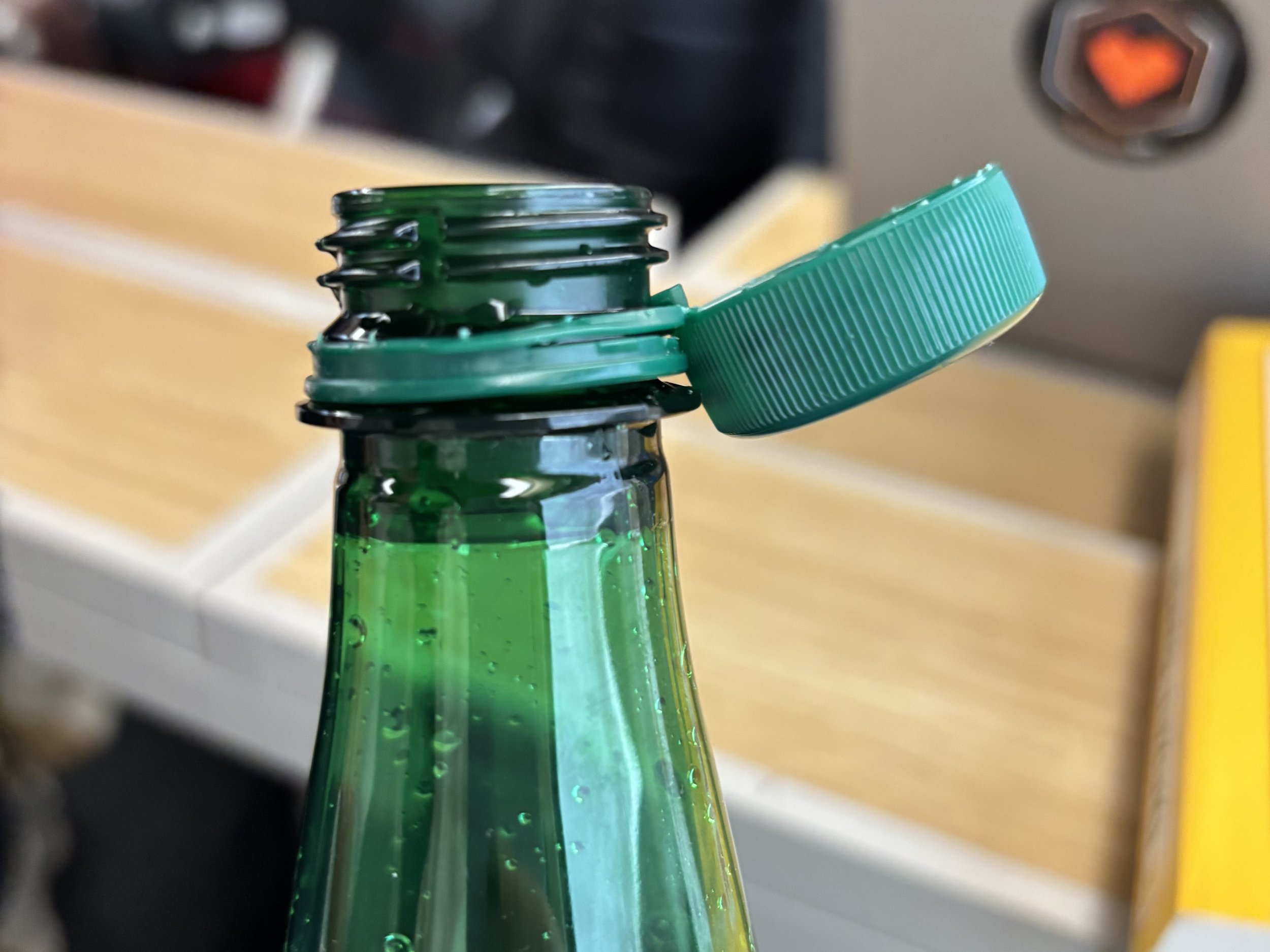
Photo by Georgia Baillieu
EU-wide Action on Plastic Bottles
Under the EU’s Single-Use Plastic Directive, all single-use plastic bottles in the region are required to have caps that remain attached to the bottle. Bottle caps are one of the most common types of litter, made especially dangerous to wildlife as they are one of the most consumed items by marine animals. This legislation is aimed at reducing litter and improving recycling efficiency as it ensures caps are recycled together with the bottle.
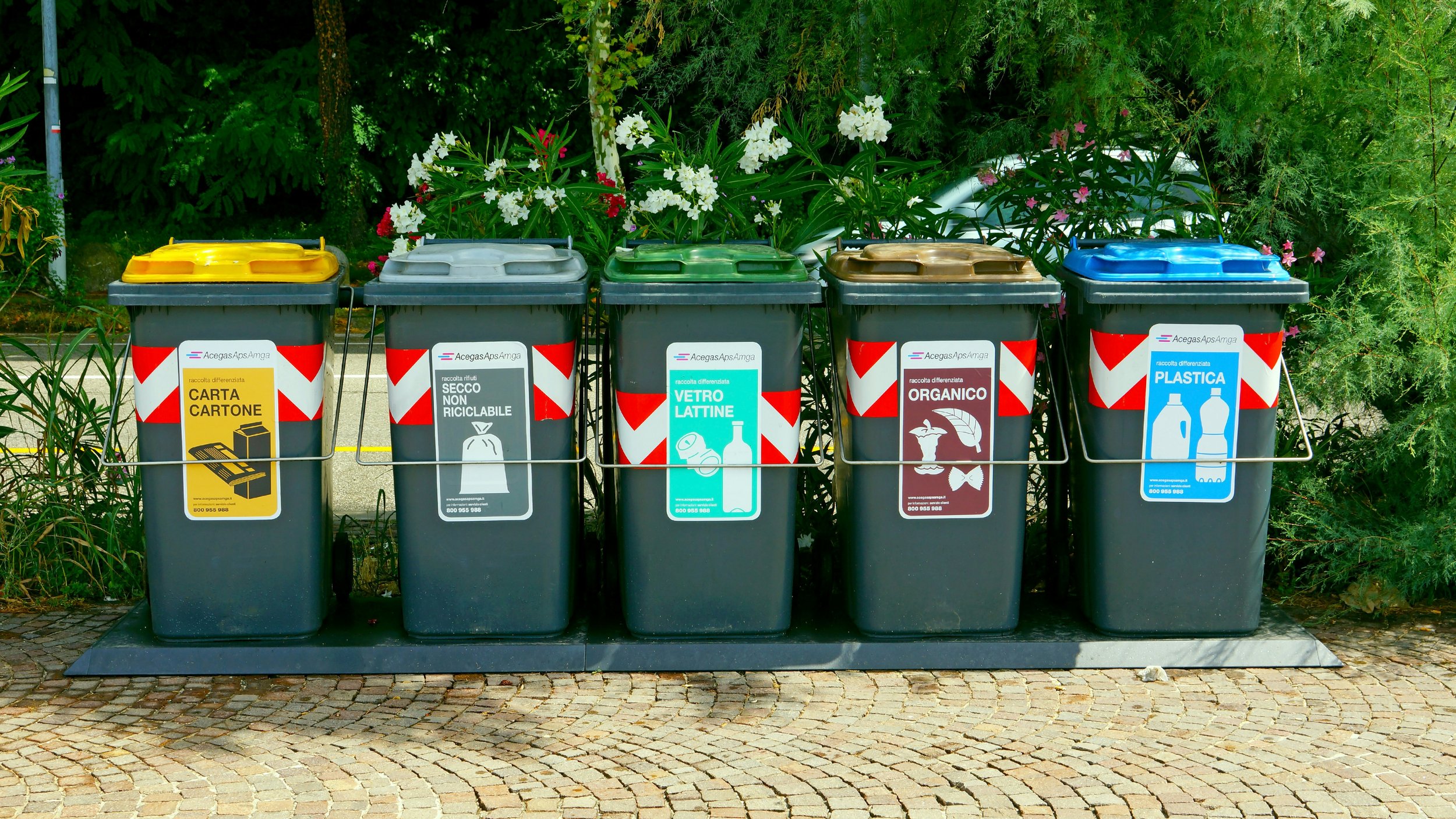
Photo by boris misevic on Unsplash
Italy: Recycling and Waste Separation
Italy has become a global leader in recycling. Separated waste collection, or raccolta differenziata, is mandatory across the entire country, with waste being split into five different categories: paper and cardboard, glass and metal, plastic, organic waste, and general waste, which is all that other waste that cannot be recycled. Once collected, the recycled material goes to transfer stations to be sorted, compacted where necessary, and taken to processing facilities to be given a new life.
Recycled plastic is used for many things including the construction of new street furniture such as benches, fences, and games for public parks. Approximately 90% of bags, boxes and newspapers are made from recycled paper from paper and cardboard waste. Organic waste is either composted or converted into energy through bio-gas production (also known as anaerobic digestion). Reducing organic waste in landfills is vital to a region’s climate strategy. When food waste decomposes in landfills, it releases methane, a greenhouse gas significantly more potent than carbon dioxide.
Germany: Deposit Return Scheme
Ninety-eight percent of eligible single-use drink containers are returned for recycling in Germany. This is thanks to their Deposit Return Scheme (DRS), also known as Pfand, combined with plentiful convenient return locations. Beginning in 2003, the DRS incentivises consumers to return their cans, glass, and plastic bottles by charging a small deposit at purchase. Consumers are refunded their deposit when they return their empty bottles at machines or store counters. This system reduces litter, increases recycling rates, and reduces the need for new materials to be used, all important parts of helping reduce our impact on the environment.
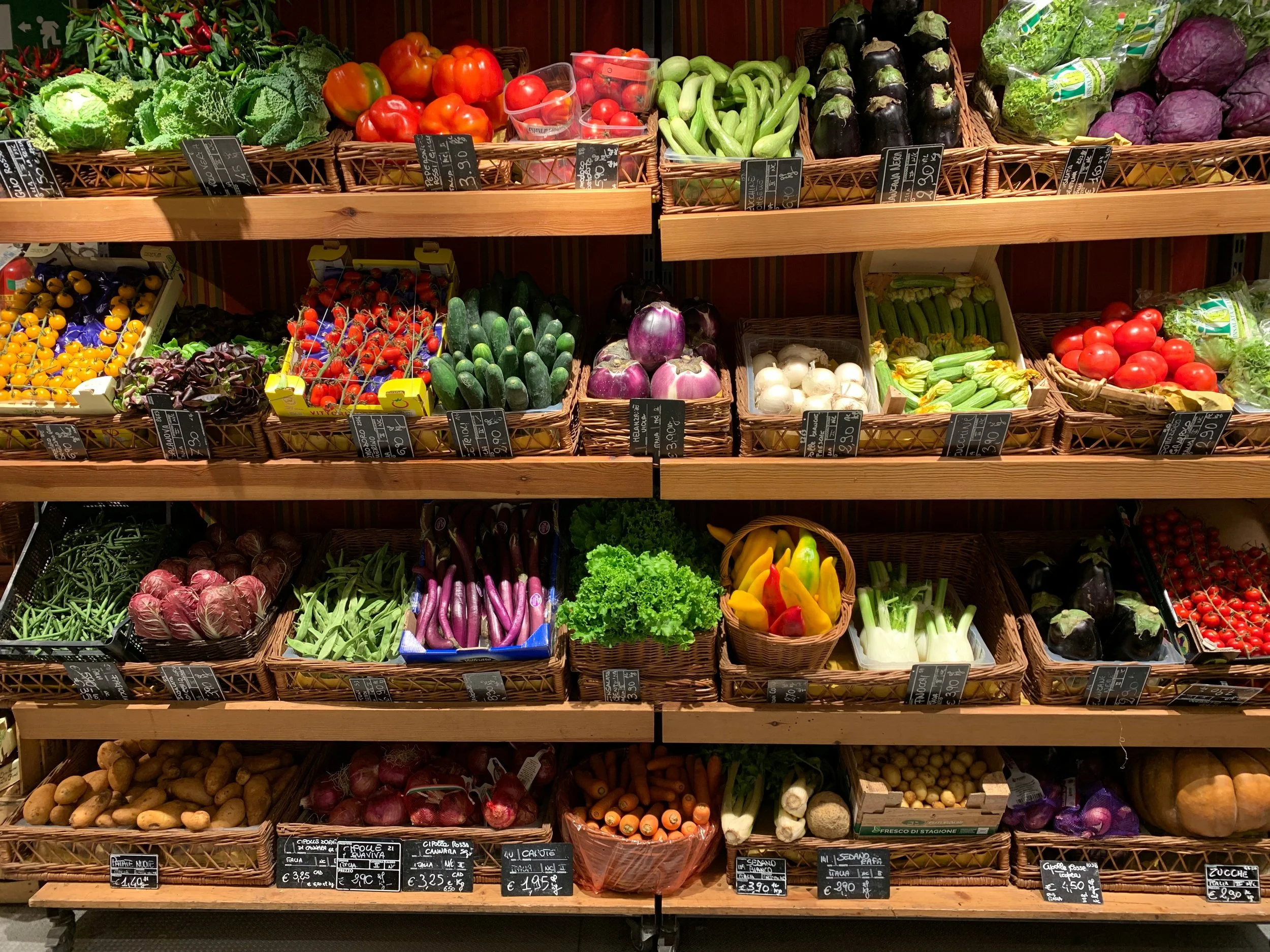
Photo by Raul Gonzalez Escobar on Unsplash
France: Food Waste and Single-Use Plastic
France has taken a strong stance against food waste and the reduction of single-use plastic. Since 2016, supermarkets over a certain size across the country have been legally required to donate unsold, edible food. Not only does this significantly reduce food waste, it supports charities and communities in need. Furthering their commitment to sustainability, France has also banned plastic plates, cutlery, and many other single-use items, including single-portion condiment sachets. These measures encourage reusable alternatives, promoting more responsible consumption habits.
Sweden: Renewable Energy and Energy Efficiency
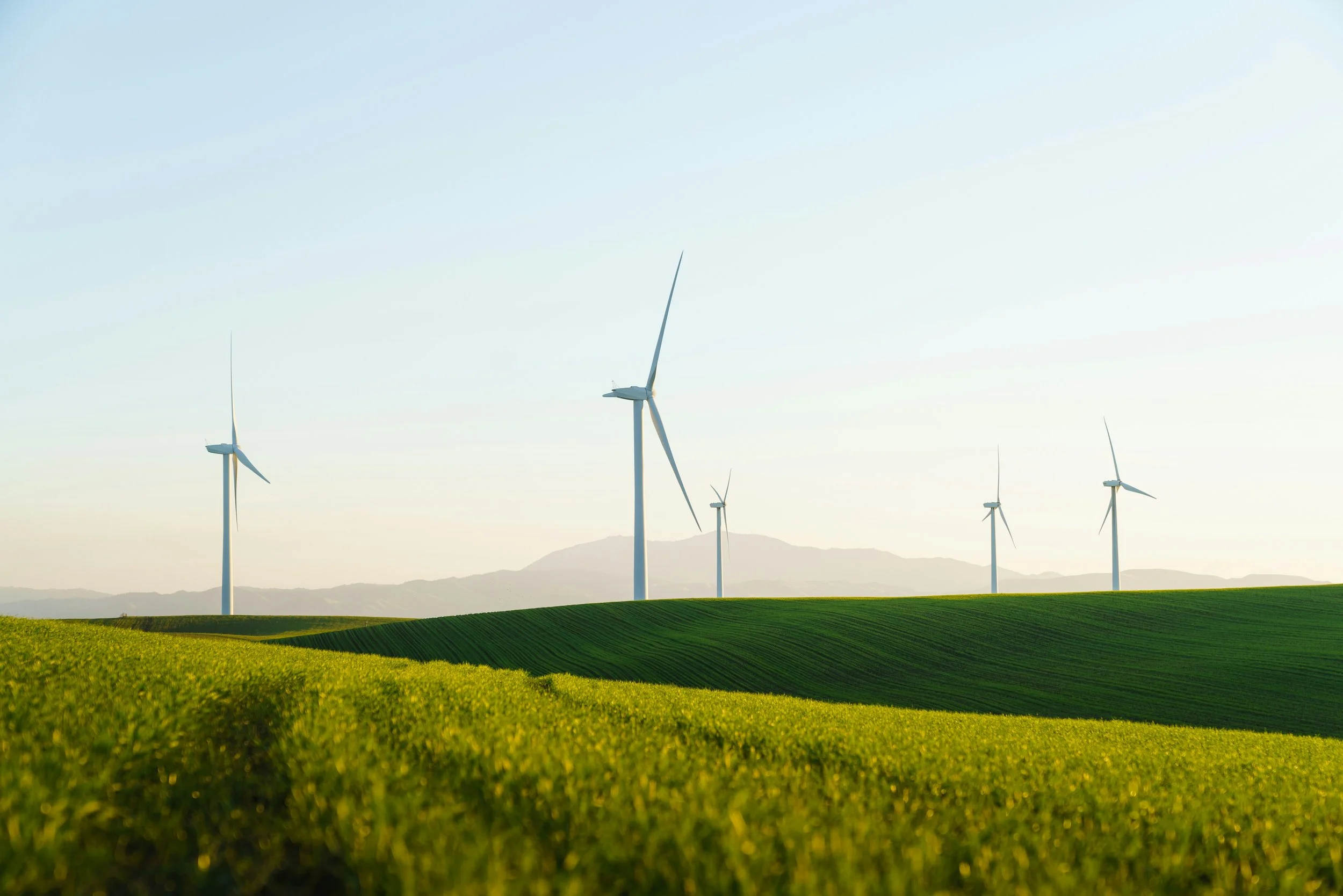
Sweden is one of the world’s most sustainable countries, with the goal of becoming the world’s first fossil-free nation by 2045. Currently, over 60% of Sweden’s national energy supply comes from renewable sources such as hydropower and wind. This investment in clean energy is matched by high energy efficiency standards in housing and urban development. For example, the old gasworks in Stockholm’s ‘eco-quarter’ is being repurposed as thousands of eco-friendly homes and workspaces through adaptive building reuse. These homes will be powered by biogas produced from food waste, boast electric car chargers, and be linked to the tram system.
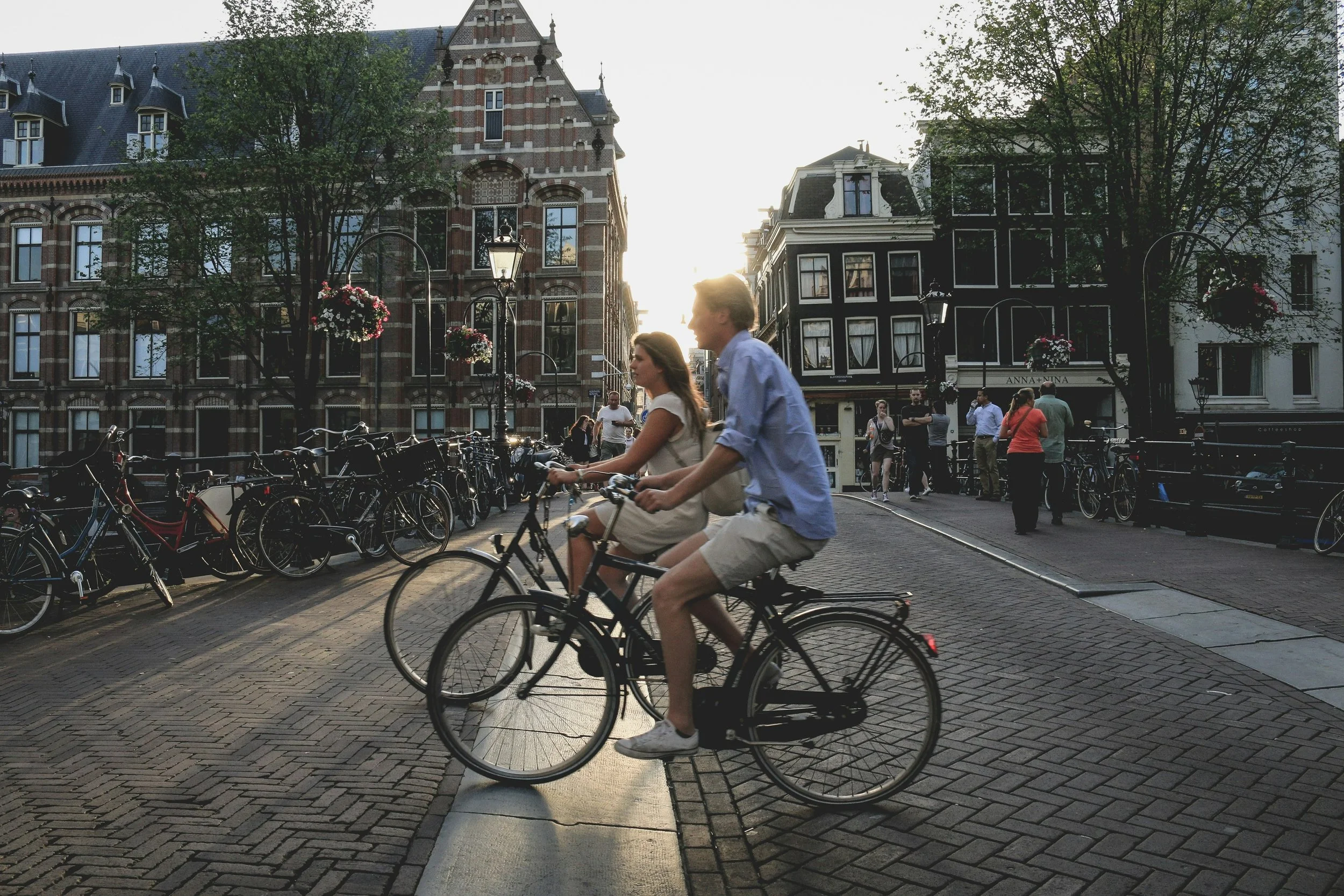
Photo by sabina fratila on Unsplash
The Netherlands: Cycling and Low Carbon Transport
In the Netherlands, cycling is the main mode of transport for short to medium length journeys. This is made possible by the country's extensive network of dedicated bike lanes, cycle tracks, and protected intersections. Not only does the cycling-first approach to transport benefit the environment, but it improves health, urban liveability, and promotes the concept of designing cities around people rather than vehicles.
The European Union’s commitment to sustainability can be seen throughout the region in both large scale legislation and small, everyday acts. From bottle recycling to food donation, whether the initiatives are country-specific or EU-wide, much of Europe is committed to building a greener future.
Want to learn more about sustainability? Check out our other articles on our website. If you are interested in deepening your own personal commitment to sustainability, we also teach courses on sustainability, energy efficiency, and weatherization to the public.