
By Georgia Baillieu, Savvy Travels Co.
Published November 2, 2026
The information provided in this article is for informational purposes only. Earth Forward Group and Savvy Travels Co. are not affiliated with, endorsed by, or compensated by any of the companies, products, or websites mentioned herein. We do not guarantee the accuracy, suitability, or performance of any referenced websites or products.
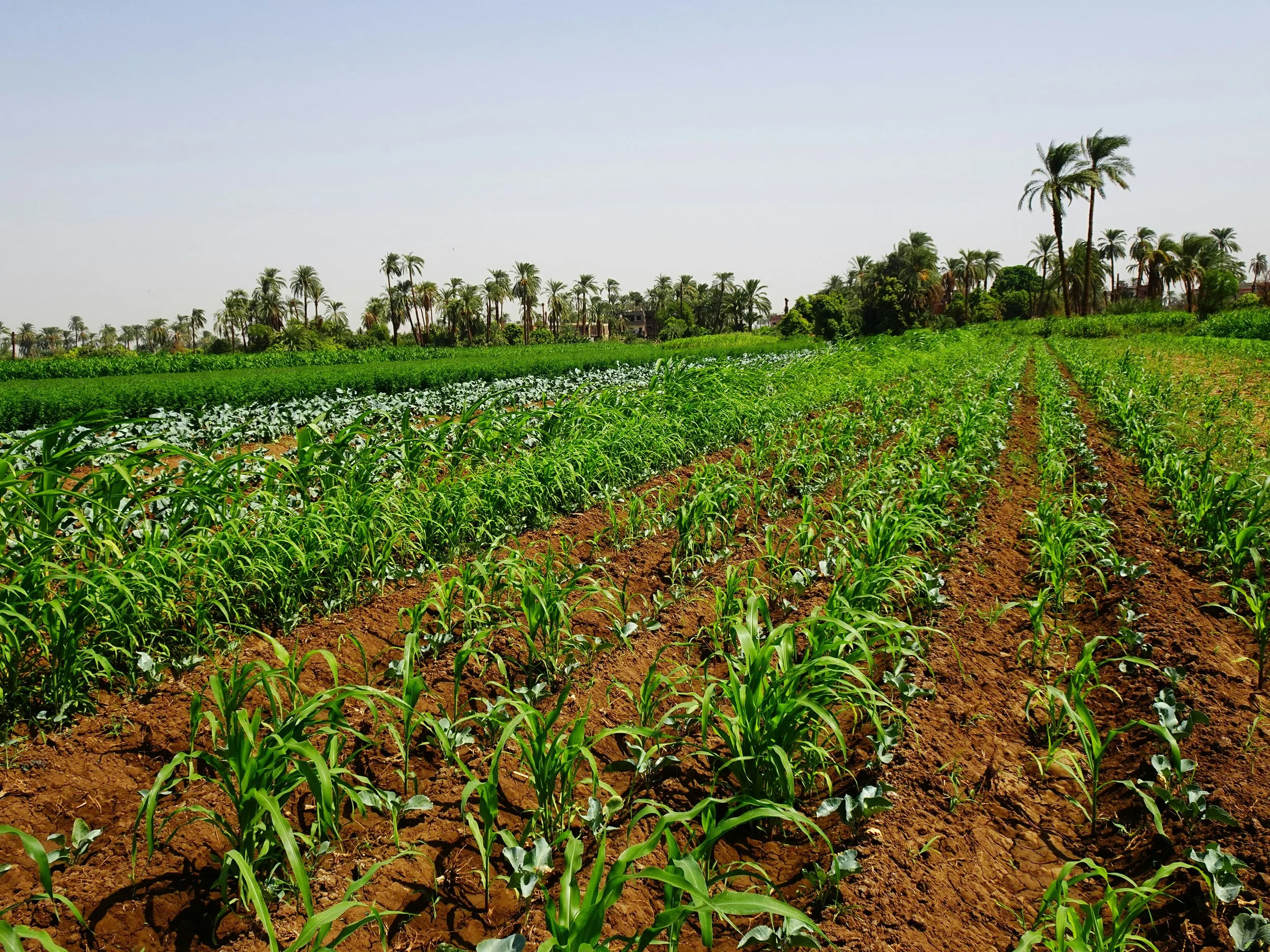
Every single year, the planet loses 24 billion tons of fertile soil to land degradation. That’s enough to cover an area nearly the size of the Republic of Ireland a foot deep. Degraded soil holds less water and less carbon, grows less food, and is far more vulnerable to drought, which is why many farmers and researchers alike are looking to regenerative agriculture.
How Does Land Become Degraded?
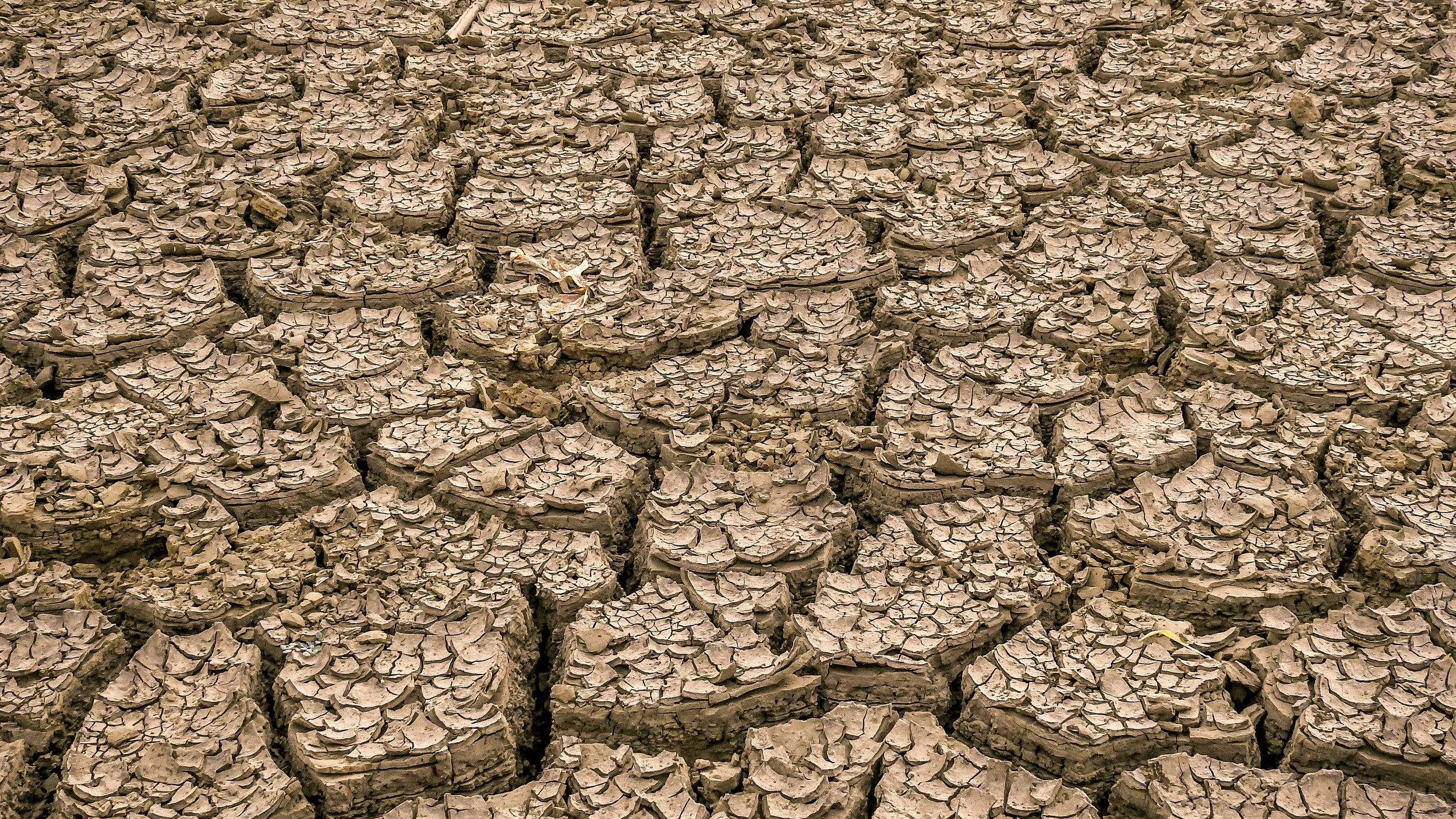
Before we can talk about restoration, it helps to understand how land gets damaged in the first place. As defined by the Food and Agriculture Organization of the United Nations, land degradation is “the persistent decline in land’s ability to sustain essential ecosystem functions and services.”
Much of that damage traces back to people: deforestation leading to soil erosion, overgrazing livestock, and farming in ways that wear soil down faster than it can recover, such as monocropping and overuse of fertilizers. These effects can build gradually, starting with smaller harvests and fewer species and, in the worst cases, ending with farmland that can no longer produce at all.
What Is Regenerative Agriculture?
The term “regenerative agriculture” was popularized in the early 1980s by Robert Rodale. It is an approach to farming that aims to rebuild degraded soil rather than just extract from it. The core idea is to work with the natural systems and most regenerative farms share a few core practices:
No-till or minimum tillage: Instead of plowing, seed is drilled directly into the last season’s stubble. This keeps the soil structure, fungal networks and soil life intact. As a result, there is less soil erosion and the soil holds more moisture.
Cover crops: Rather than leaving fields bare between cash crops, farmers sow species such as clover, grasses, and cereals. These protect the soil from wind and rain, suppress weeds, and feed soil microbes. Bare soil is vulnerable to moisture loss, erosion, and the loss of good microbes, so cover crops keep it protected and alive.
Diversity and crop rotation: Growing a variety of plants breaks pest and disease cycles and feeds a more varied soil community. By alternating nitrogen-hungry crops with nitrogen-fixing legumes, soil fertility can be restored naturally.
Integrating animals: Raising livestock in carefully managed rotations allows pasture to recover, while the manure returns nutrients to the soil and stimulates grass growth.
Compost, manure, and reduced chemical inputs: Replacing synthetic fertilizer with organic alternatives such as manure and compost can help restore soil health, rebuild soil structure and improve water-holding capacity.
Hedgerows and agroforestry: Integrating shrubs and trees into crop and livestock farming helps control erosion, can store carbon in roots and wood, and creates corridors for pollinators, birds, and small wildlife.
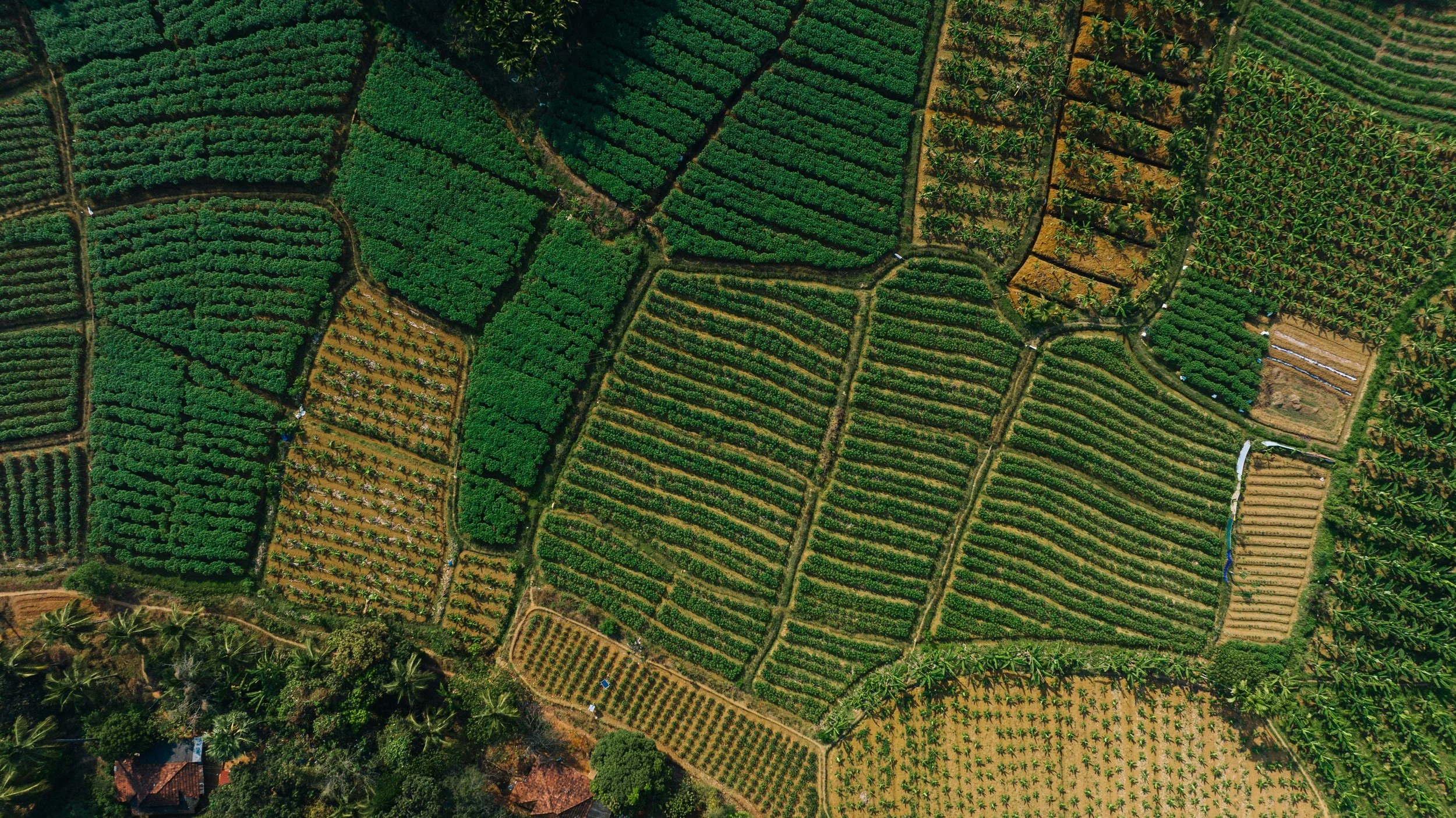
Photo by Jeswin Thomas on Unsplash
Restoration in Practice: Two Large-Scale Experiments
The good news is, degraded land is not necessarily lost for good! The same practices that protect soil on a single farm can be applied across whole landscapes. Two of the largest and best-documented restoration efforts are China’s Loess Plateau and Africa’s Great Green Wall. One shows what sustained investment can achieve and the other shows how slowly restoration can move when funding and coordination fall short.
China’s Loess Plateau
The Loess Plateau in northwest China is named for the fine, windblown silt that blankets the region. It is home to more than 50 million people. Over generations, heavy grazing, firewood collection, and farming on steep hillsides stripped away much of its vegetation, leaving the soil exposed. Each rainy season washed huge amounts of that silt into the Yellow River, making the plateau one of the most severely eroded places on Earth.
In 1994, the World Bank partnered with the Chinese government on the Loess Plateau Watershed Rehabilitation Project, focusing on nine tributary watersheds of the Yellow River where most of the land was badly degraded or barely productive. The project used methods similar to regenerative agriculture, including replanting vegetation and stopping free grazing so that plant cover could return. Hillsides were terraced to slow rainwater and thousands of small dams were built to catch sediment, which over time formed new, fertile ground for farming. The goal went beyond erosion control: it was to help one of China’s poorest regions earn a stable living from its land again.
The results have been substantial. Perennial vegetation cover rose from 17% to 34% and the flow of sediment from the plateau into the Yellow River decreased by more than 100 million tons each year. Terracing raised average farming yields, making them less variable. The project’s administrative office reported that more than 2.5 million people were lifted out of poverty.
Together, these methods apply the same regenerative agriculture principles of covering soil, slowing water, and restoring vegetation across an entire landscape to restore soil health and fertility.
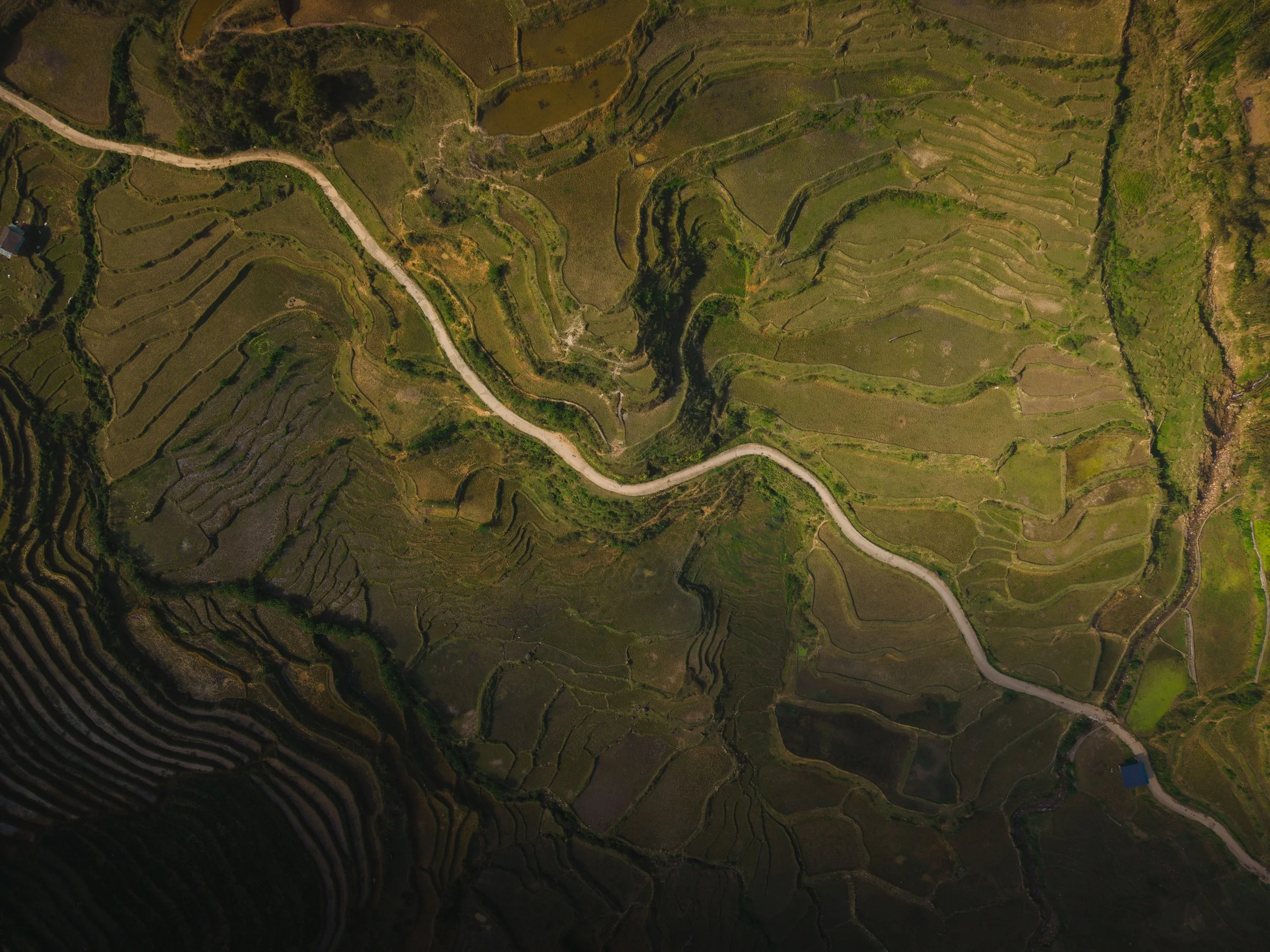
Photo by Ahmet Yüksek on Unsplash
Africa’s Great Green Wall
The African Union launched the Great Green Wall in 2007. It was first imagined as a nearly 5,000-mile barrier of trees stretching from Senegal to Djibouti to hold back the Sahara's spread across the Sahel. It has since become something more practical, a “mosaic” of green and productive landscapes, built by protecting natural sprouts, recovering soils and improving water management. The goal is to restore 100 million hectares by 2030.
Progress has been real, but slower than promised. A 2020 UNCCD status report found about 4 million hectares rehabilitated in the initiative’s core zones, just 4% of the target. Counting the wider region, the total was nearly 17.8 million hectares, including 12 million in Ethiopia alone. Hitting the target means restoring about 8.2 million hectares a year at a cost of roughly $4.3 billion annually, and the report named lack of funding as the main obstacle.
Restoring land on this scale takes governments and major funders, but individuals can support the same regenerative agriculture principles of covering soil and encouraging water retention through the food they buy and the farmers they support.
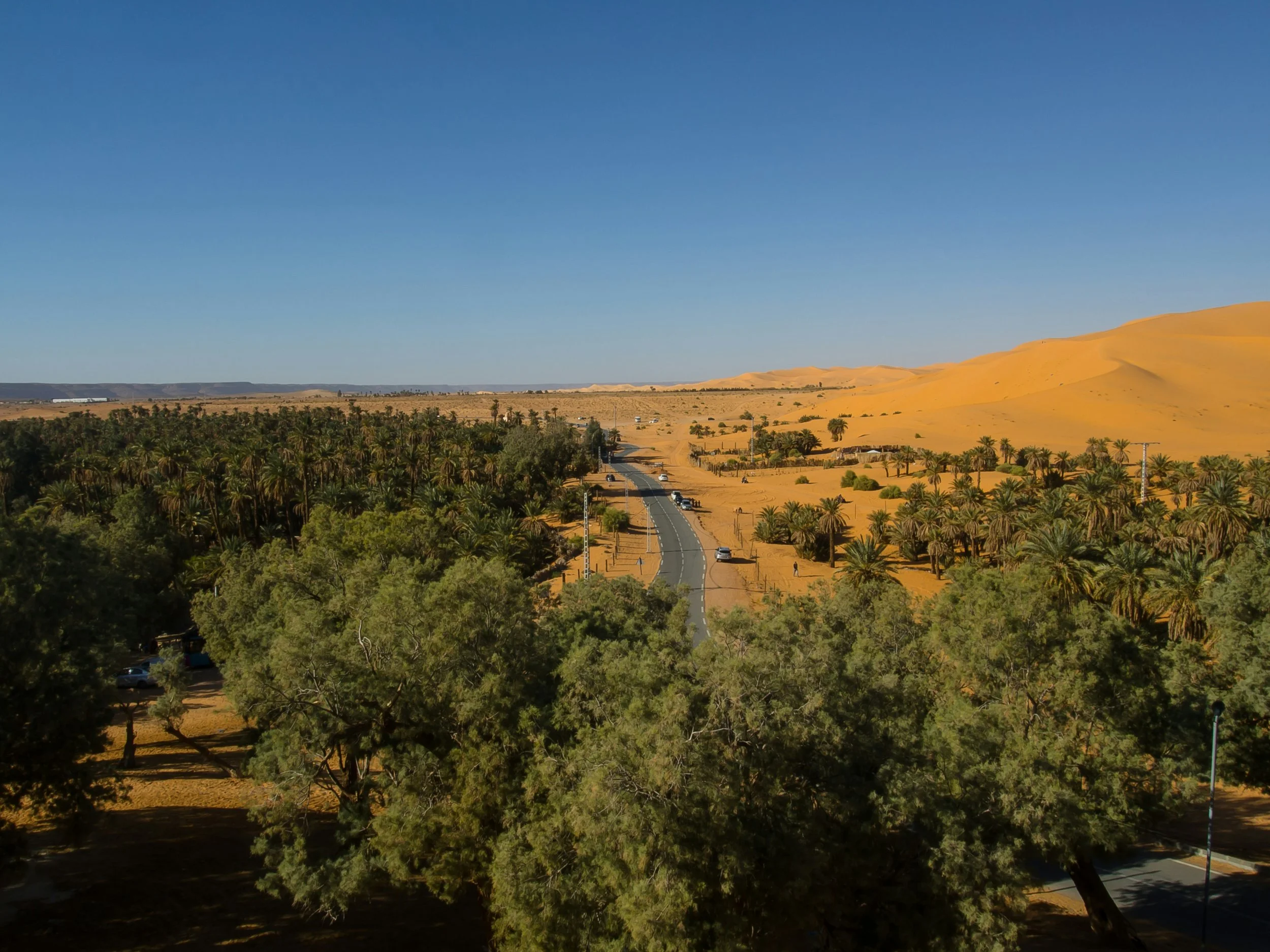
Photo by Halima Bouchouicha on Unsplash
So What Can You Do?
To support regenerative agriculture in your local community, we suggest the following:
Look for credible certifications. Programs such as Regenerative Organic Certified set verifiable standards.
Be wary of vague wording. “Regenerative” without a certification or data behind it can be little more than marketing.
Buy local and ask questions. Join a CSA, or ask growers at your local farmers market how they manage their soil: Do they till? Use cover crops? Rotate crops?
Bring the practices home. You don’t need a farm to rebuild soil. In your own garden, try planting a cover crop such as winter rye or clover after the fall harvest, mulching beds instead of leaving them bare, or building no-dig beds that leave soil life undisturbed. UConn’s Home & Garden Education Center has a guide to putting the garden to bed with cover crops.
Regenerative agriculture isn’t a cure-all, but restoring degraded land is where research shows some of its clearest benefits. The lesson carries beyond the farm: just as healthy land starts with what’s beneath the surface, efficient buildings start with the fundamentals — insulation, air sealing and well-designed systems. Explore Earth Forward Group’s building science training to learn how.