Farm-To-Table: More Than A Movement
By Georgia Baillieu, Savvy Travels Co. and Ruby Ranoa, Earth Forward Group
Published December 5, 2025
The information provided in this article is for informational purposes only. Earth Forward Group is not affiliated with, endorsed by, or compensated by any of the companies, products, or websites mentioned herein. We do not guarantee the accuracy, suitability, or performance of any referenced websites or products.
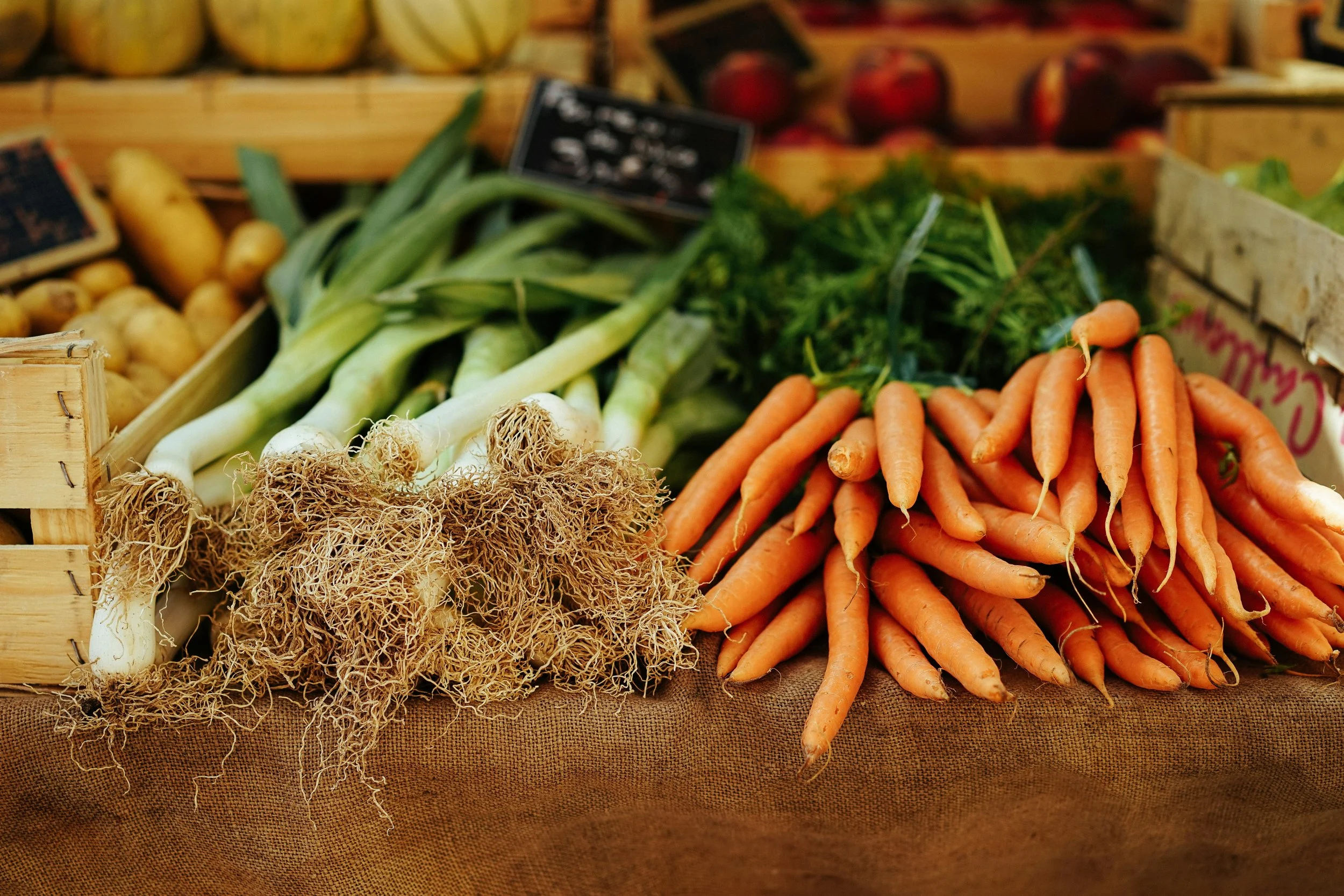
Photo by Peter Wendt on Unsplash
Nothing quite beats the taste of seasonal produce, directly from the vine to your plate. The Farm-to-Table movement, also known as Farm-to-Fork, is all about shopping for fresh produce directly from local farms, bypassing the wholesalers and large scale distributors. The term has been used to encompass fruits, vegetables, eggs, dairy products, and meat, and often accompanies the organic food and sustainable farming movements as well.
The concept can be applied to both restaurants and home cooks. Farm-to-Table restaurants partner with local farms for their ingredients and home cooks shop at farmers markets and/or participate in Community Supported Agriculture (CSA) programs. This movement has been gaining popularity worldwide for its health benefits, positive local economic impacts, lower environmental impact, and for the quality of the produce itself.
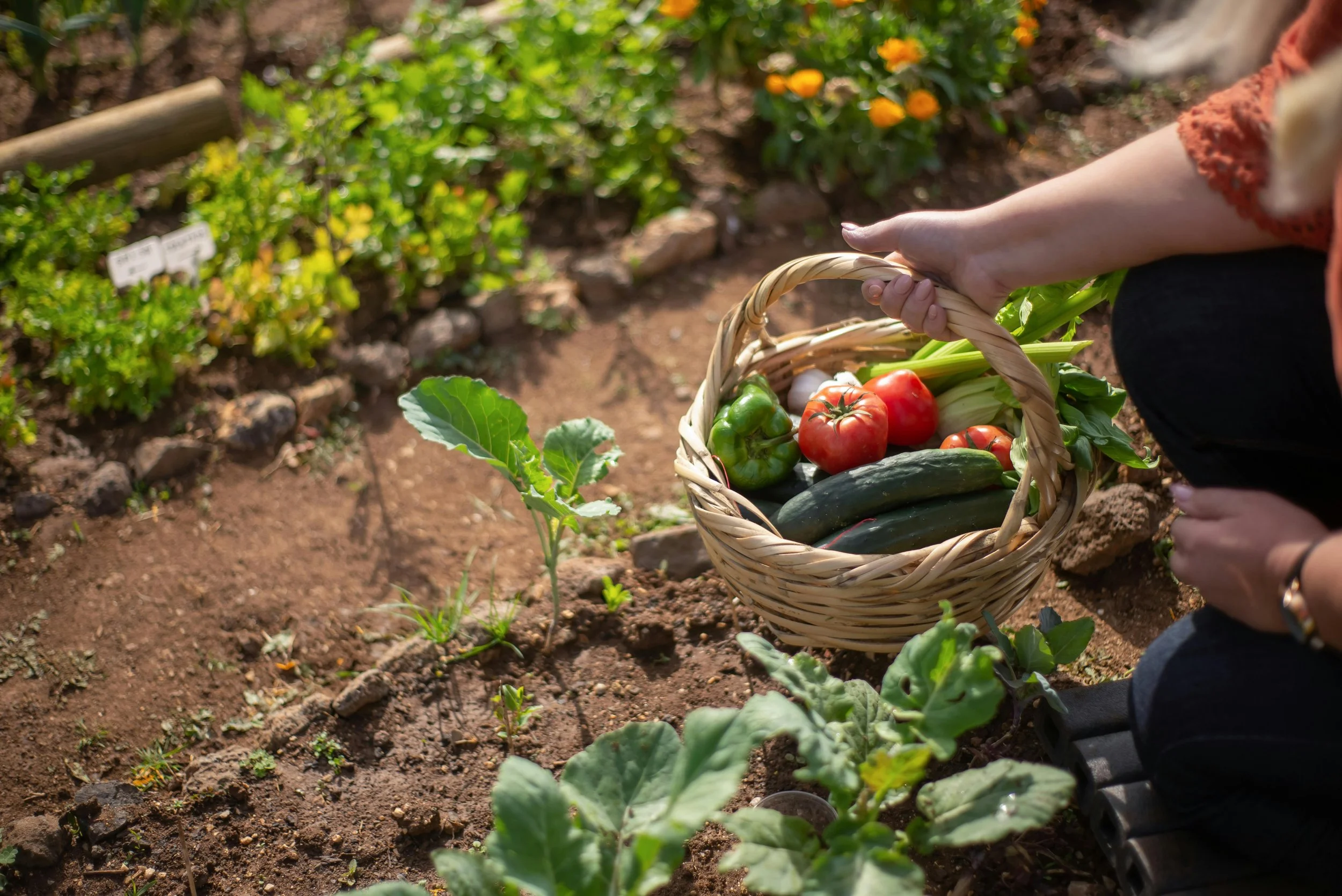
Photo by Kampus Production on Pexels
Born out of counter-culture
The Farm-to-Table concept was born out of the American hippie movement in the 1960s, which emphasized the importance of organic and locally grown foods. It was in direct opposition to the United States’ post-war industrialized food system that focused on processed and preserved goods. The movement gained notable traction in 1971, when pioneer restaurateur and chef Alice Waters opened the first Farm-to-Table restaurant in Berkeley, California. Waters’ objective was to serve food that was sourced straight from local, organic farms and to forge relationships with the growers of the ingredients.
When was your produce harvested?
Did you know that the nutrients in your produce begin to decline as soon as it is harvested? By the time most grocery produce reaches consumers, approximately seven days after harvesting, the nutrient density of conventionally grown produce drops to 50-60%. To get the most nutrients out of your fruits and vegetables, aim for the shortest amount of time between harvesting and eating. Eating at Farm-to-Table restaurants and sourcing your produce from local farmers help to maximize the nutritional value of your food. Fresher food also means less use of preservatives too!
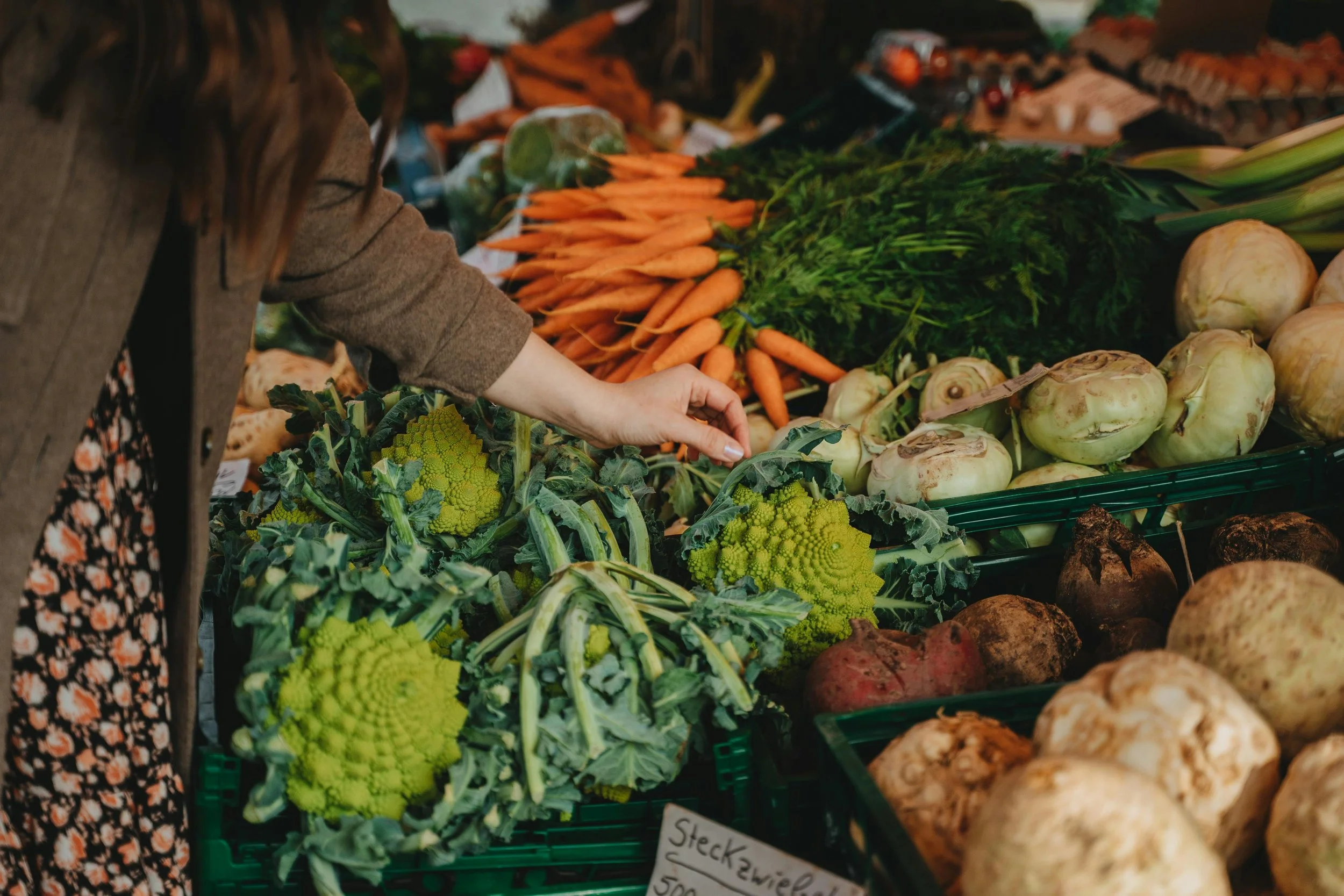
Photo by Alesia Kozik on Pexels
An economy booster
The Farm-to-Table movement is more than individual consumer preference, it's a social movement that supports the local economy. When you buy produce from a grocery store or when a restaurant buys produce from a large restaurant supplier, very little of that money actually goes back to the farmer. A large portion of that price can be attributed to transportation costs. When money goes back to local businesses, approximately 68% of that money stays within the local economy. It gets reinvested into other local businesses, local taxes, and ultimately, supports your community.
Community food sovereignty
Farm-to-Table practices support local food systems, lessen reliance on imported produce, and strengthen community food sovereignty. Defined by Food Lifeline, community food sovereignty is the right of communities to “define and control their own food systems”. Places with little to no sovereignty over their food are extremely vulnerable. For example, approximately 90% of food is imported to Hawaiʻi. This means the population is extremely vulnerable to natural disasters, global events, and other circumstances that disrupt the transportation of food to the islands. If the food supply was cut off today, the current commercial food stock would only feed its people for five to seven days. But the movement for Hawaiʻi’s food sovereignty is growing, and it begins with supporting local, sustainable farmers.
If you would like to learn more about food sovereignty, check out our article What is Indigenous Food Sovereignty? The Fight for Autonomy Over Land and Food.
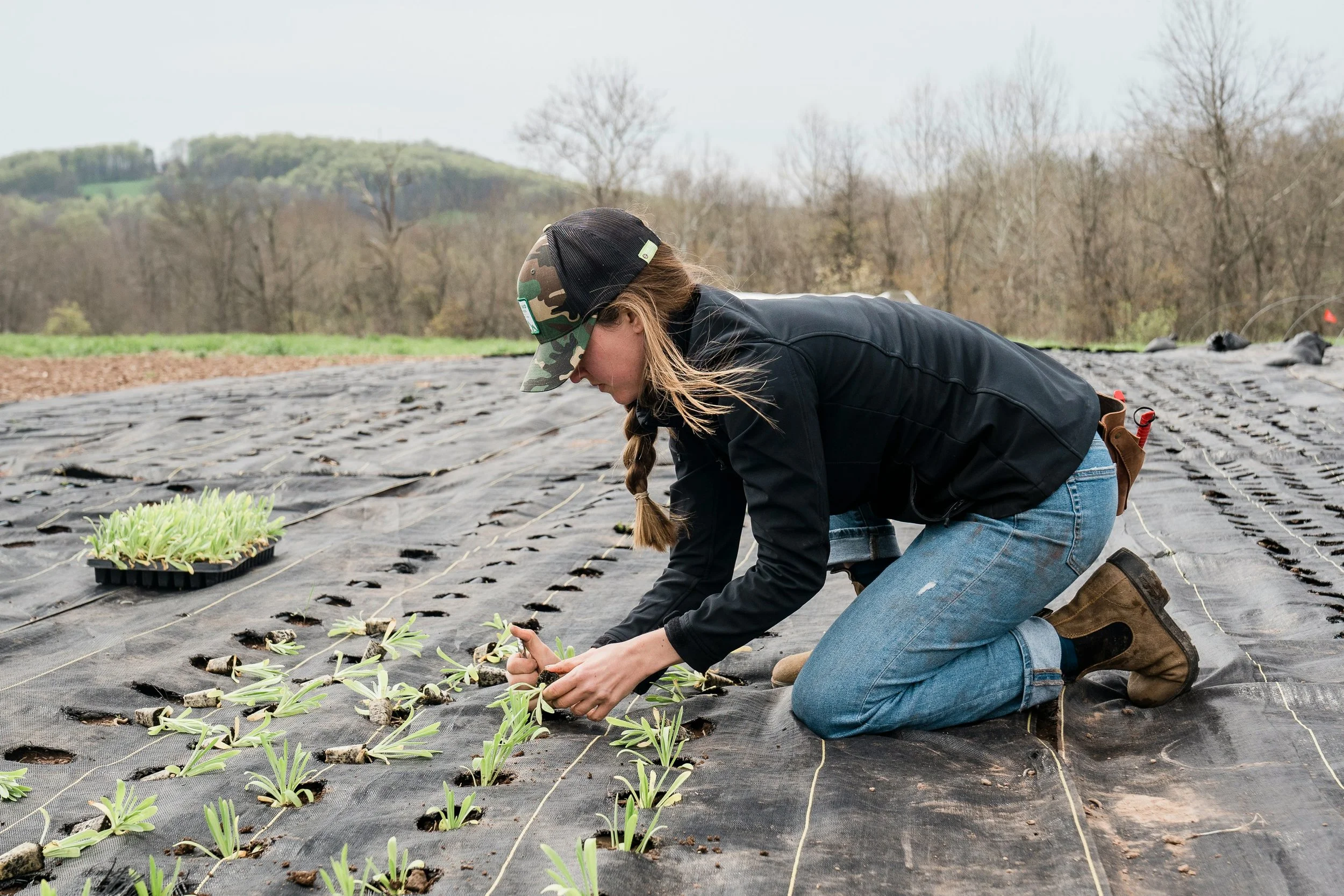
Photo by Zoe Richardson on Unsplash
The environmental impact of industrialized food systems
Our conventional, industrialized food system relies on extensive transport to its consumers. On average, produce is shipped 1,500 miles from where it is produced to its final destination in the United States. When you buy local, you slash the miles traveled and reduce the associated carbon emissions, contributing to a healthier planet.
Conventional industrial farming practices, such as monocropping, destroy soil health by depleting the soil of nutrients and contributing to soil erosion. Farm-to-Table products are often, but not always, produced on smaller-scale farms that use organic and/or sustainable farming practices. These practices aim to eliminate the use of synthetic pesticides and fertilizers, promote soil health, and promote biodiversity, benefitting the local environment compared to monocropping.
Higher quality produce
Have you ever noticed that farmers market produce just tastes better? Produce at grocery stores and from restaurant supply companies has to be plucked before it has ripened so that it can survive the transportation without rotting. Since Farm-to-Table practices reduce travel time, you’re getting produce harvested closer to peak ripeness, maximizing flavor and quality.
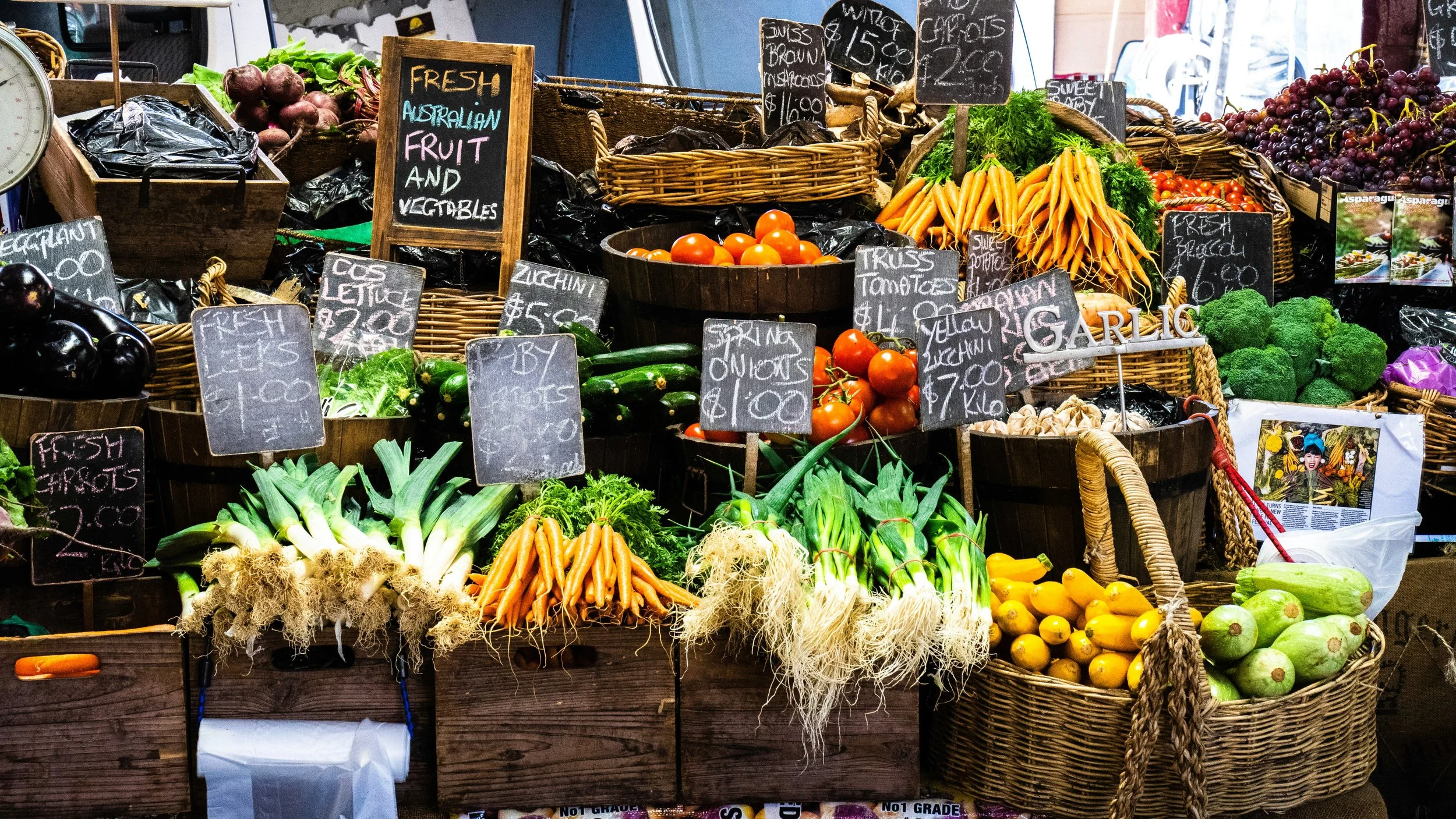
Photo by Somi Jaiswal on Unsplash
Get more involved in the Farm-to-Table movement
If you would like to get more involved in the Farm-to-Table movement, you can start by visiting a Farm-to-Table restaurant, opting for the farmers market over the grocery store, and connecting with your local farms through CSA boxes.
CSA programs typically work as a membership-based agreement with local farmers. Customers pay at the beginning of the year, and in return, receive a box of seasonal produce each week throughout the farming season. Farmers receive funding upfront to cover the cost of seeds and equipment, they are better able to forecast their produce needs, and have steady consumers throughout the year. The consumers get to eat fresh produce, perhaps try fruit and vegetables that they wouldn't usually buy, and get to know exactly where their food is coming from. It’s a win-win situation for the people, planet, and local economy.
The Farm-to-Table movement isn’t just about the food, it’s about connection. When you sit down for a meal made from ingredients grown a few miles away, you’re not just tasting a place, you’re helping to sustain it.